The only Blue Moon of 2026 rises this weekend — here’s how to get the best view of the ‘micromoon’
6 distinct publishers, one article each in this sample.
Ownership mix: Other: 5 · Conglomerate: 1
6 publishers · 6 articles · switch to 1-minute for disagreement and framing.
What happened
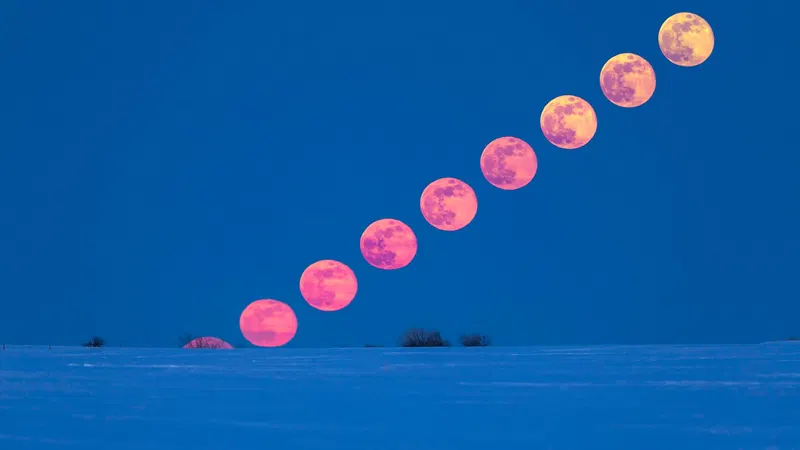
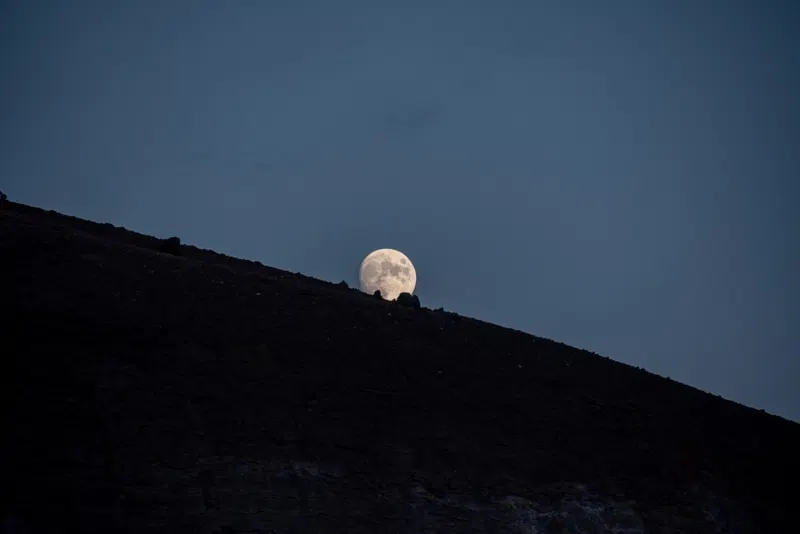
This weekend's Blue Moon, the second full moon in one month, is also a micromoon, because it is at the moon's apogee, the furthest point from Earth in its orbit.…
Why the coverage differs
AI-assisted comparison · labeled · generated May 30, 2026, 5:19 AM · not a verdict
A blue micromoon, occurring this weekend, is characterized as the second full moon in a month and coincides with the moon's apogee, making it appear smaller in the sky. This event is not expected to happen again for over 25 years, according to various sources.
Coverage varies in emphasis and detail. TIME and Boing Boing focus on the rarity and technical aspects of the event, with Boing Boing providing a more humorous take on the misconceptions surrounding the terms "blue" and "micromoon." The Guardian, while also informative, emphasizes the spectacle's rarity and offers practical viewing advice, framing it as an exciting opportunity for stargazers.
Comparison summary
AI-assisted · Cerebras / Llama · May 30, 2026, 5:19 AM · inspect sources below rather than trusting this alone
A blue micromoon, occurring this weekend, is characterized as the second full moon in a month and coincides with the moon's apogee, making it appear smaller in the sky. This event is not expected to happen again for over 25 years, according to various sources.
Coverage varies in emphasis and detail. TIME and Boing Boing focus on the rarity and technical aspects of the event, with Boing Boing providing a more humorous take on the misconceptions surrounding the terms "blue" and "micromoon." The Guardian, while also informative, emphasizes the spectacle's rarity and offers practical viewing advice, framing it as an exciting opportunity for stargazers.
No outlet addressed the scientific implications of the event or its cultural significance in folklore and astronomy, which could provide a deeper understanding of why such celestial events capture public interest. This oversight is notable across all sources.
Report timeline
Oldest → newest among clustered members. Gaps may mean delayed pickup, not silence.
-
May 29, 2026, 5:09 PMTIME — Top · CenterHow to Best See This Weekend’s Rare Blue Micromoon
-
May 29, 2026, 10:49 PMBoing Boing · CenterThis weekend's blue moon is also a micromoon (but won't be blue and isn't smaller)
-
May 30, 2026, 4:00 AMMashable · CenterMay Full Moon 2026: See the Blue Moon
-
May 30, 2026, 5:00 AMThe Guardian — Science · Lean LeftWhat is a blue micromoon and when is the best time to see it this weekend?
-
May 30, 2026, 8:00 AMLive Science · CenterBlue Moon 2026: An extremely rare micromoon rises tonight
-
May 30, 2026, 4:00 PM
Coverage by perspective
Perspective labels are external consensus ratings (AllSides / Ad Fontes / MBFC-style), not WeSearch truth scores. Center is not automatically more accurate.
Lean Left · 1

Center · 4


Right · 1

Headline framing
Vocabulary fingerprints · not a political endorsement
The headlines discuss the upcoming blue micromoon, with varying focuses on viewing experiences and clarifications about its appearance.
Bias/ownership: published methodology on source profiles · AI text always labeled · no reader paywall · no engagement ranking of news · transparency · contribute Ws · home