Ebola responders say aid cuts under Trump left them unprepared for outbreak
3 distinct publishers, one article each in this sample.
Ownership mix: Other: 3
3 publishers · 3 articles · switch to 1-minute for disagreement and framing.
What happened
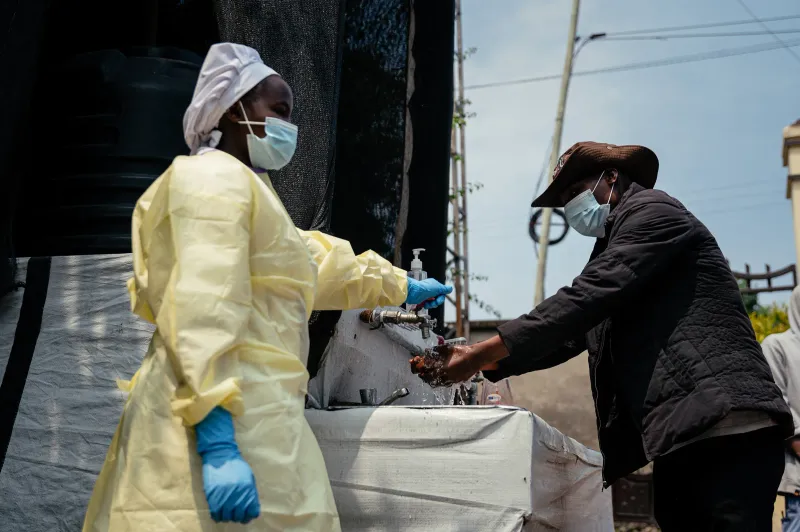
The Ebola outbreak in eastern Africa was announced last week, then quickly declared an emergency by the WHO. It's likely cuts in U.S. aid to the DRC contributed to a delay in identifying the outbreak.
Why the coverage differs
AI-assisted comparison · labeled · generated May 22, 2026, 1:53 AM · not a verdict
The recent Ebola outbreak in eastern Africa has been linked to cuts in U.S. aid, which health officials say may have hindered timely responses and preparedness. The World Health Organization declared the outbreak an emergency shortly after its announcement last week, highlighting the urgency of the situation.
Coverage varies in emphasis, with WIRED framing the issue as a "perfect storm" caused by aid cuts, focusing on the direct impact on medical supplies. NPR highlights the potential delay in outbreak identification due to these cuts, while the Washington Post emphasizes the unpreparedness of responders as a consequence of reduced funding. All three outlets address the aid cuts, but WIRED is more focused on the immediate effects on health resources, whereas NPR and the Washington Post concentrate on the broader implications for outbreak management.
Comparison summary
AI-assisted · Cerebras / Llama · May 22, 2026, 1:53 AM · inspect sources below rather than trusting this alone
The recent Ebola outbreak in eastern Africa has been linked to cuts in U.S. aid, which health officials say may have hindered timely responses and preparedness. The World Health Organization declared the outbreak an emergency shortly after its announcement last week, highlighting the urgency of the situation.
Coverage varies in emphasis, with WIRED framing the issue as a "perfect storm" caused by aid cuts, focusing on the direct impact on medical supplies. NPR highlights the potential delay in outbreak identification due to these cuts, while the Washington Post emphasizes the unpreparedness of responders as a consequence of reduced funding. All three outlets address the aid cuts, but WIRED is more focused on the immediate effects on health resources, whereas NPR and the Washington Post concentrate on the broader implications for outbreak management.
No outlet has provided detailed statistics on the specific funding reductions or a comprehensive analysis of the historical context of U.S. aid to the region, which could further illuminate the severity of the situation and the long-term implications of these cuts. This lack of data represents a blind spot in the coverage, particularly for the lean left outlets.
Report timeline
Oldest → newest among clustered members. Gaps may mean delayed pickup, not silence.
-
May 20, 2026, 1:16 PM
-
May 21, 2026, 8:41 AMNPR — World · Lean LeftAid cuts may have contributed to delay in identifying current Ebola outbreak
-
May 21, 2026, 12:24 PMWashington Post — World · Lean LeftEbola responders say aid cuts under Trump left them unprepared for outbreak
Coverage by perspective
Perspective labels are external consensus ratings (AllSides / Ad Fontes / MBFC-style), not WeSearch truth scores. Center is not automatically more accurate.
Lean Left · 2
Center · 1
Headline framing
Vocabulary fingerprints · not a political endorsement
The headlines discuss the impact of Trump's aid cuts on the Ebola outbreak, with left-leaning sources emphasizing negative consequences for responders.
Bias/ownership: published methodology on source profiles · AI text always labeled · no reader paywall · no engagement ranking of news · transparency · contribute Ws · home