Burnham cuts VAT on household electricity bills; UK borrows less than expected in June – business live
4 distinct publishers, one article each in this sample.
Ownership mix: Other: 2 · Independent: 1 · Billionaire-owned: 1
4 publishers · 4 articles · switch to 1-minute for disagreement and framing.
What happened
Chancellor John Healey said the cut to Britons electricity bills to be funded by cancelling Keir Starmer’s controversial Digital ID programme
Why the coverage differs
AI-assisted comparison · labeled · generated Jul 21, 2026, 5:30 PM · not a verdict
According to BBC News, the new prime minister announced a reduction of value‑added tax on household electricity bills that will take effect in October, saving consumers roughly £45 per year. The policy was unveiled on the leader’s first full day in office and is presented as a direct cost‑of‑living measure.
BBC’s business and political reports frame the change primarily as a consumer‑focused tax cut, highlighting the immediate household savings and the political significance of the prime minister’s inaugural policy move. The Independent, a lean‑left outlet, foregrounds the financing mechanism, noting that Chancellor John Healey will fund the reduction by scrapping the opposition’s Digital ID programme. The Guardian, also left‑leaning, situates the VAT cut within a broader economic narrative, linking it to lower‑than‑expected government borrowing and wider fiscal trends, while omitting the specific savings figure emphasized by the BBC.
Comparison summary
AI-assisted · Cerebras / Llama · Jul 21, 2026, 5:30 PM · inspect sources below rather than trusting this alone
According to BBC News, the new prime minister announced a reduction of value‑added tax on household electricity bills that will take effect in October, saving consumers roughly £45 per year. The policy was unveiled on the leader’s first full day in office and is presented as a direct cost‑of‑living measure.
BBC’s business and political reports frame the change primarily as a consumer‑focused tax cut, highlighting the immediate household savings and the political significance of the prime minister’s inaugural policy move. The Independent, a lean‑left outlet, foregrounds the financing mechanism, noting that Chancellor John Healey will fund the reduction by scrapping the opposition’s Digital ID programme. The Guardian, also left‑leaning, situates the VAT cut within a broader economic narrative, linking it to lower‑than‑expected government borrowing and wider fiscal trends, while omitting the specific savings figure emphasized by the BBC.
No right‑leaning sources appear in this cluster, leaving a gap in coverage of potential market or fiscal criticisms of the VAT reduction.
Report timeline
Oldest → newest among clustered members. Gaps may mean delayed pickup, not silence.
-
Jul 21, 2026, 6:09 AMThe Independent · Lean LeftAndy Burnham latest: New PM cuts VAT on electricity bills in first major policy announcement
-
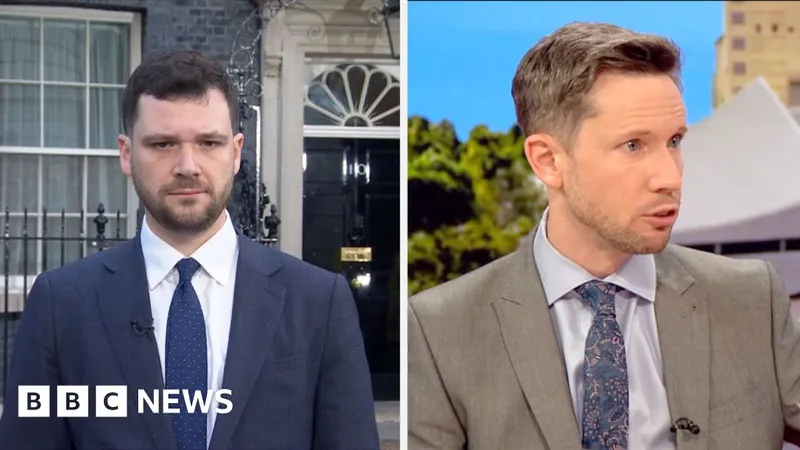
Jul 21, 2026, 6:10 AMBBC News — Politics · CenterWill Burnham's cut to electricity VAT help households?
-
Jul 21, 2026, 6:23 AMBBC News — Business · CenterVAT to be cut from household electricity bills in October
-
Jul 21, 2026, 6:34 AMThe Guardian — US · Lean LeftBurnham cuts VAT on household electricity bills; UK borrows less than expected in June – business live
Coverage by perspective
Perspective labels are external consensus ratings (AllSides / Ad Fontes / MBFC-style), not WeSearch truth scores. Center is not automatically more accurate.
Lean Left · 2


Center · 2

Headline framing
Vocabulary fingerprints · not a political endorsement
AI framing analysis temporarily offline. Configure Cerebras in admin to enable framing comparison.
Bias/ownership: published methodology on source profiles · AI text always labeled · no reader paywall · no engagement ranking of news · transparency · contribute Ws · home