10 of the best pictures of solar eclipses throughout history
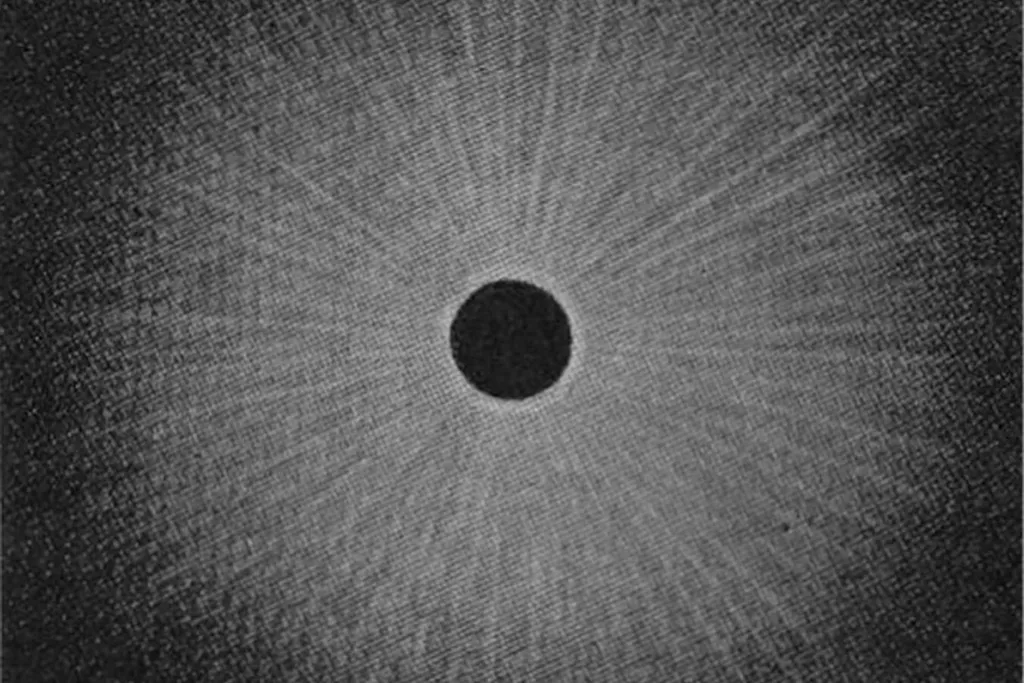
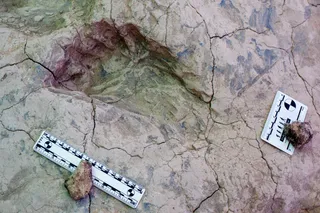
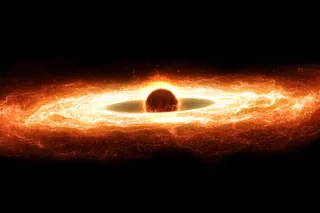
For millennia, humans have been documenting their views as the moon moved between Earth and the sun, blocking out the sun’s light and revealing its swirling outer layers. National Park Service The earliest confirmed written record of a solar eclipse comes from the 13th century BC, when scribes in China wrote that the sun had been “eaten”. Scientific and religious texts continued to document eclipses up until the present day, and researchers now use these texts to study both how eclipses have changed in the intervening centuries and how human views of them have evolved throughout time.
- ▪For millennia, humans have been documenting their views as the moon moved between Earth and the sun, blocking out the sun’s light and revealing its swirling outer layers.
- ▪National Park Service The earliest confirmed written record of a solar eclipse comes from the 13th century BC, when scribes in China wrote that the sun had been “eaten”.
- ▪Scientific and religious texts continued to document eclipses up until the present day, and researchers now use these texts to study both how eclipses have changed in the intervening centuries and how human views of them have evolved throug
New Scientist publishes from United Kingdom and files mainly under science. We currently carry 17 of its stories.
Story provenance
Source · retrieval · rights · ranking — open for full record
inspect →
Story provenance
Attribution is not the same as permission. This drawer separates discovery metadata, excerpts, WeSearch-generated summaries, reuse status, and whether the publisher receives the visit. Nothing here claims a legal grant the publisher has not made.
Record
| Original publisher | New Scientist |
| Canonical URL | https://www.newscientist.com/article/2580240-10-of-the-best-pictures-of-solar-eclipses-throughout-history/?utm_campaign=RSS|NSNS&utm_content=home&utm_medium=RSS&utm_source=NSNS |
| Publication time | Fri, 24 Jul 2026 11:00:00 +0000 |
| Retrieval time | 2026-07-24T11:07:38.407Z |
| Last seen | 2026-07-24T11:07:38.407Z |
| Headline source | Publisher (no WeSearch rewrite) |
| Excerpt source | publisher body |
| Excerpt method | First ~120 words (~800 chars) of extracted publisher body, fair-use limited. |
| Summary | WeSearch · cerebras-chat (WeSearch summarizer) |
| Summary source text | contentText |
| Citation coverage | Summary is a WeSearch-generated derivative; primary citation is the original publisher URL. |
| Cluster | iU2xL1DOpzQJ |
| Cluster logic | Grouped by semantic title/content similarity across sources within a rolling window. Same-publisher template collisions are excluded from coverage comparison. |
| Ranking reason | Story pages are not engagement-ranked. Hub feeds use recency, with optional source-diversified chronological ordering (cap consecutive stories per source). No personalized ranking. |
| Publisher visit | Yes — open original |
| Substitutes article? | No — link-out required for full text |
Rights status (four layers)
WeSearch handling by dimension
| Indexing | May the item be indexed (stored, ranked, made findable)? | Allowed |
| Snippet | May a short excerpt of the publisher's text be shown? | Allowed |
| AI summary | May WeSearch generate its own short summary of the article? | Limited |
| Retrieval / RAG | May the content be exposed for third-party retrieval-augmented generation? | Not asserted |
| Model training | May the content be used to train AI models? | Not asserted |
| Commercial reuse | May the content be reused commercially? | Not permitted |
Basis: Derived from the published RSS/Atom feed. Contact: [email protected]. Reviewed: 2026-07-24.
Opening excerpt (first ~120 words) tap to expand
Space 10 of the best pictures of solar eclipses throughout historyHumans have been observing solar eclipses for millennia – carving, painting, sketching and finally photographing as the moon blocks out the disc of the sun By Leah Crane 24 July 2026 Facebook Threads X / Twitter WhatsApp LinkedIn Reddit Email Print A solar eclipse as seen from the La Silla European Southern Observatory in ChileMARTIN BERNETTI/AFP via Getty Images A total eclipse occurs somewhere in the world about once every 18 months on average, and that has been the case for all of human history. For millennia, humans have been documenting their views as the moon moved between Earth and the sun, blocking out the sun’s light and revealing its swirling outer layers.
…
Excerpt limited to ~120 words for fair-use compliance. The full article is at New Scientist.
Discussion
0 commentsMore from New Scientist