A Medieval Notebook Found in a German Latrine Sat Underground for Nearly 800 Years
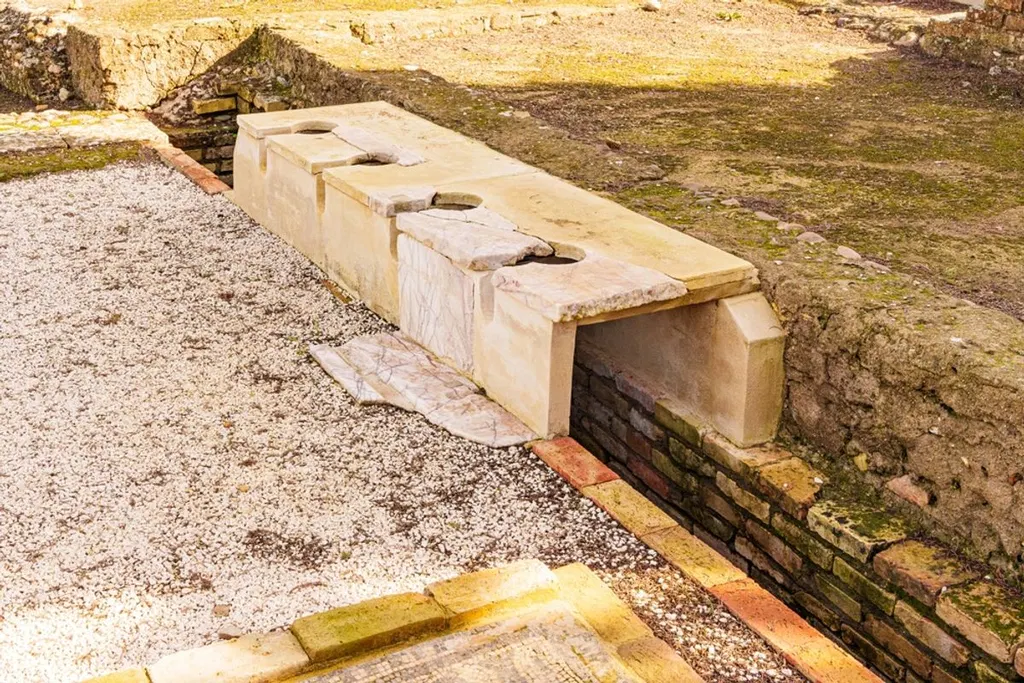
Archaeologists in Paderborn, Germany, discovered a medieval wax tablet notebook dating back 700 to 800 years during excavations beneath a latrine. The notebook, likely belonging to a merchant, contains handwritten notes in Latin and is unique for its preservation. The find offers insights into everyday life and literacy in the medieval period, as such informal writings are rarely found.
- ▪The notebook was found during construction work for a new city administration building.
- ▪It consists of ten wooden pages coated in wax, allowing for reuse and writing with a stylus.
- ▪The preservation of the notebook was aided by the damp, airtight conditions of the latrine.
2 outlets in our directory ran this story, first to last over 12 hours. All of the coverage we found sits in one bucket: centre. That one-sidedness is itself worth noticing.
Discover Magazine files mainly under science. We currently carry 86 of its stories.
Story provenance
Source · retrieval · rights · ranking — open for full record
inspect →
Story provenance
Attribution is not the same as permission. This drawer separates discovery metadata, excerpts, WeSearch-generated summaries, reuse status, and whether the publisher receives the visit. Nothing here claims a legal grant the publisher has not made.
Record
| Original publisher | Discover Magazine |
| Canonical URL | https://www.discovermagazine.com/a-medieval-notebook-found-in-a-german-latrine-sat-underground-for-nearly-800-years-49123 |
| Publication time | Tue, 19 May 2026 21:45:00 GMT |
| Retrieval time | 2026-05-19T21:49:58.181Z |
| Last seen | 2026-05-19T21:49:58.181Z |
| Headline source | Publisher (no WeSearch rewrite) |
| Excerpt source | publisher body |
| Excerpt method | First ~120 words (~800 chars) of extracted publisher body, fair-use limited. |
| Summary | WeSearch · cerebras-chat (WeSearch summarizer) |
| Summary source text | contentText |
| Citation coverage | Summary is a WeSearch-generated derivative; primary citation is the original publisher URL. |
| Cluster | s5YJvq8e6w6k · 2 stories |
| Cluster logic | Grouped by semantic title/content similarity across sources within a rolling window. Same-publisher template collisions are excluded from coverage comparison. |
| Ranking reason | Story pages are not engagement-ranked. Hub feeds use recency, with optional source-diversified chronological ordering (cap consecutive stories per source). No personalized ranking. |
| Publisher visit | Yes — open original |
| Substitutes article? | No — link-out required for full text |
Rights status (four layers)
WeSearch handling by dimension
| Indexing | May the item be indexed (stored, ranked, made findable)? | Allowed |
| Snippet | May a short excerpt of the publisher's text be shown? | Allowed |
| AI summary | May WeSearch generate its own short summary of the article? | Limited |
| Retrieval / RAG | May the content be exposed for third-party retrieval-augmented generation? | Not asserted |
| Model training | May the content be used to train AI models? | Not asserted |
| Commercial reuse | May the content be reused commercially? | Not permitted |
Basis: Derived from the published RSS/Atom feed. Contact: [email protected]. Reviewed: 2026-07-24.
Opening excerpt (first ~120 words) tap to expand
You might expect archaeologists digging through a medieval latrine to uncover broken pottery or scraps of fabric, but not a notebook still full of writing. Yet during excavations beneath the center of Paderborn, researchers uncovered a small wax tablet book containing handwritten notes that survived underground for roughly 700 to 800 years.The palm-sized notebook, discovered during construction work for a new city administration building, appears to date back to the 13th or 14th century and may have belonged to a merchant jotting down transactions, reminders, or daily thoughts.
…
Excerpt limited to ~120 words for fair-use compliance. The full article is at Discover Magazine.
Discussion
0 commentsMore from Discover Magazine