AI Model Links Tumor Mutations to Treatment Response
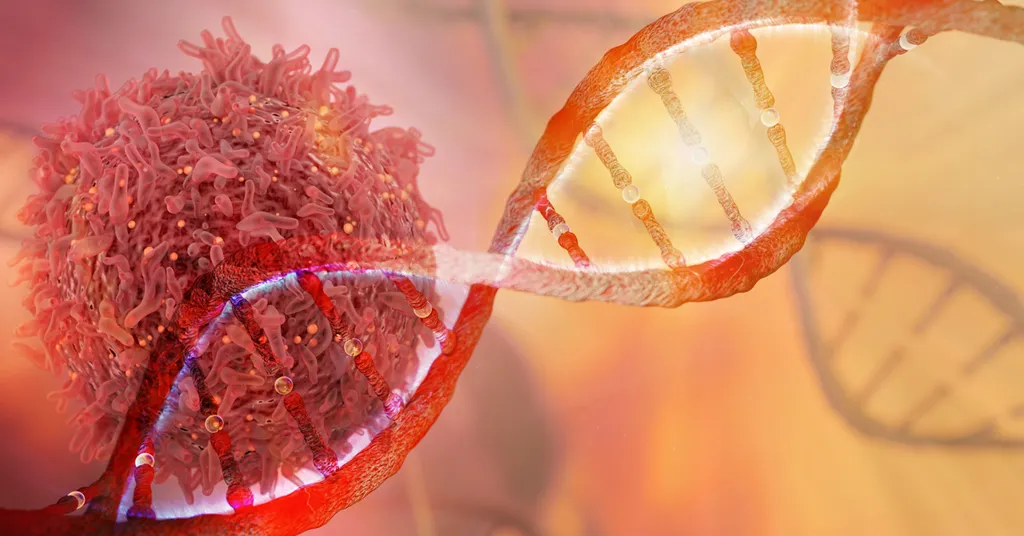
Researchers at UC San Diego have developed an AI model called MutationProjector that predicts cancer treatment responses based on tumor DNA. This model analyzes genetic alterations across multiple cancer types, improving the accuracy of treatment predictions. The study highlights the potential for more effective patient stratification and treatment selection in cancer care.
- ▪MutationProjector was trained on genomic data from over 30,000 tumors across 10 solid cancer types.
- ▪The model aims to connect cancer mutations to biological pathways that influence treatment response.
- ▪Only about 8% of cancer cases are currently matched to FDA-approved therapies based on genetics.
Hacker News (AI / LLM) files mainly under ai. We currently carry 3,266 of its stories.
Story provenance
Source · retrieval · rights · ranking — open for full record
inspect →
Story provenance
Attribution is not the same as permission. This drawer separates discovery metadata, excerpts, WeSearch-generated summaries, reuse status, and whether the publisher receives the visit. Nothing here claims a legal grant the publisher has not made.
Record
| Original publisher | Ucsd |
| Canonical URL | https://today.ucsd.edu/story/ai-model-links-tumor-mutations-to-treatment-response |
| Publication time | Sat, 30 May 2026 20:47:40 +0000 |
| Retrieval time | 2026-05-30T20:49:46.412Z |
| Last seen | 2026-05-30T20:49:46.412Z |
| Headline source | Publisher (no WeSearch rewrite) |
| Excerpt source | publisher body |
| Excerpt method | First ~120 words (~800 chars) of extracted publisher body, fair-use limited. |
| Summary | WeSearch · cerebras-chat (WeSearch summarizer) |
| Summary source text | contentText |
| Citation coverage | Summary is a WeSearch-generated derivative; primary citation is the original publisher URL. |
| Cluster | Lcm2wLGov76M |
| Cluster logic | Grouped by semantic title/content similarity across sources within a rolling window. Same-publisher template collisions are excluded from coverage comparison. |
| Ranking reason | Story pages are not engagement-ranked. Hub feeds use recency, with optional source-diversified chronological ordering (cap consecutive stories per source). No personalized ranking. |
| Publisher visit | Yes — open original |
| Substitutes article? | No — link-out required for full text |
Rights status (four layers)
WeSearch handling by dimension
| Indexing | May the item be indexed (stored, ranked, made findable)? | Allowed |
| Snippet | May a short excerpt of the publisher's text be shown? | Allowed |
| AI summary | May WeSearch generate its own short summary of the article? | Limited |
| Retrieval / RAG | May the content be exposed for third-party retrieval-augmented generation? | Not asserted |
| Model training | May the content be used to train AI models? | Not asserted |
| Commercial reuse | May the content be reused commercially? | Not permitted |
Basis: Derived from the published RSS/Atom feed. Contact: [email protected]. Reviewed: 2026-07-24.
Opening excerpt (first ~120 words) tap to expand
AI Model Links Tumor Mutations to Treatment Response Model uses tumor DNA to predict immunotherapy and chemotherapy outcomes across multiple cancers This illustration shows a cancer cell and a DNA strand. In a new study, UC San Diego researchers introduce an AI tool that could help translate a tumor's genetics into actionable predictions how that tumor will respond to treatment. Courtesy of iStock/CIPhotos Story by: Miles Martin - [email protected] Published Date May 26, 2026 Story by: Miles Martin - [email protected] Topics covered: Cancer Cancer Therapy AI Treatment Resistance Share This: Share this story on Linkedin Share this story on Facebook Share this story on Threads Share this story on Twitter Share this story via email Article Content Key Takeaways Cancer tumors often…
Excerpt limited to ~120 words for fair-use compliance. The full article is at Ucsd.
Discussion
0 commentsMore from Ucsd