ALPR Mission Creep: School Residency, Background Checks, and Noise Complaints
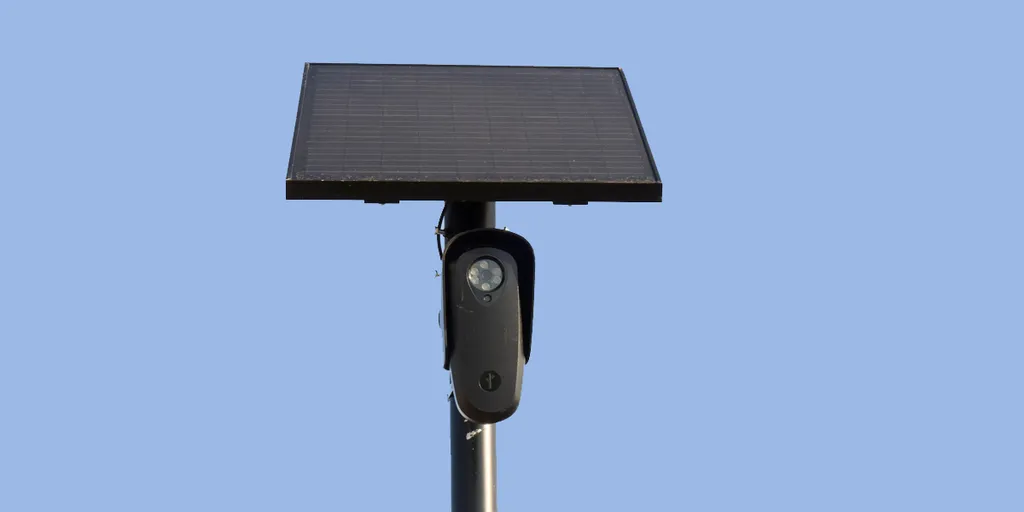
An analysis by the EFF reveals that police are using automated license plate reader (ALPR) data for purposes beyond criminal investigations, including school residency checks and background investigations. This trend highlights a concerning lack of oversight and privacy invasion, as law enforcement agencies access sensitive data without warrants. The findings suggest a significant mission creep in the use of surveillance technology, turning it into a tool for widespread tracking of individuals.
- ▪Law enforcement agencies are using ALPR data for low-level investigations, such as verifying school residency.
- ▪In Buford City Schools, over half of all ALPR searches were related to residency verification.
- ▪The indiscriminate sharing of ALPR data allows for extensive surveillance, raising privacy concerns.
Hacker News (Newest) files mainly under programming. We currently carry 5,306 of its stories.
Story provenance
Source · retrieval · rights · ranking — open for full record
inspect →
Story provenance
Attribution is not the same as permission. This drawer separates discovery metadata, excerpts, WeSearch-generated summaries, reuse status, and whether the publisher receives the visit. Nothing here claims a legal grant the publisher has not made.
Record
| Original publisher | Electronic Frontier Foundation |
| Canonical URL | https://www.eff.org/deeplinks/2026/05/more-license-plate-reader-mission-creep-school-residency-verification-background |
| Publication time | Tue, 26 May 2026 23:51:01 +0000 |
| Retrieval time | 2026-05-27T00:07:55.281Z |
| Last seen | 2026-05-27T00:07:55.281Z |
| Headline source | Publisher (no WeSearch rewrite) |
| Excerpt source | publisher body |
| Excerpt method | First ~120 words (~800 chars) of extracted publisher body, fair-use limited. |
| Summary | WeSearch · cerebras-chat (WeSearch summarizer) |
| Summary source text | contentText |
| Citation coverage | Summary is a WeSearch-generated derivative; primary citation is the original publisher URL. |
| Cluster | TV-YDlfsrztW |
| Cluster logic | Grouped by semantic title/content similarity across sources within a rolling window. Same-publisher template collisions are excluded from coverage comparison. |
| Ranking reason | Story pages are not engagement-ranked. Hub feeds use recency, with optional source-diversified chronological ordering (cap consecutive stories per source). No personalized ranking. |
| Publisher visit | Yes — open original |
| Substitutes article? | No — link-out required for full text |
Rights status (four layers)
WeSearch handling by dimension
| Indexing | May the item be indexed (stored, ranked, made findable)? | Allowed |
| Snippet | May a short excerpt of the publisher's text be shown? | Allowed |
| AI summary | May WeSearch generate its own short summary of the article? | Limited |
| Retrieval / RAG | May the content be exposed for third-party retrieval-augmented generation? | Not asserted |
| Model training | May the content be used to train AI models? | Not asserted |
| Commercial reuse | May the content be reused commercially? | Not permitted |
Basis: Derived from the published RSS/Atom feed. Contact: [email protected]. Reviewed: 2026-07-24.
Opening excerpt (first ~120 words) tap to expand
An EFF analysis of millions of searches of Flock Safety automated license plate reader (ALPR) data by police has uncovered a troubling pattern: in the absence of a warrant requirement to search ALPR databases, law enforcement agencies have moved beyond specific investigations to use these surveillance networks for virtually any whim. Our findings suggest that the absence of a warrant requirement has fostered a culture of unrestricted access to sensitive location data, allowing agencies to leverage that data beyond the scope of specific criminal investigations.
…
Excerpt limited to ~120 words for fair-use compliance. The full article is at Electronic Frontier Foundation.
Discussion
0 commentsMore from Electronic Frontier Foundation