BTC wallets from 30,515 ransomed databases traced. 62% received nothing
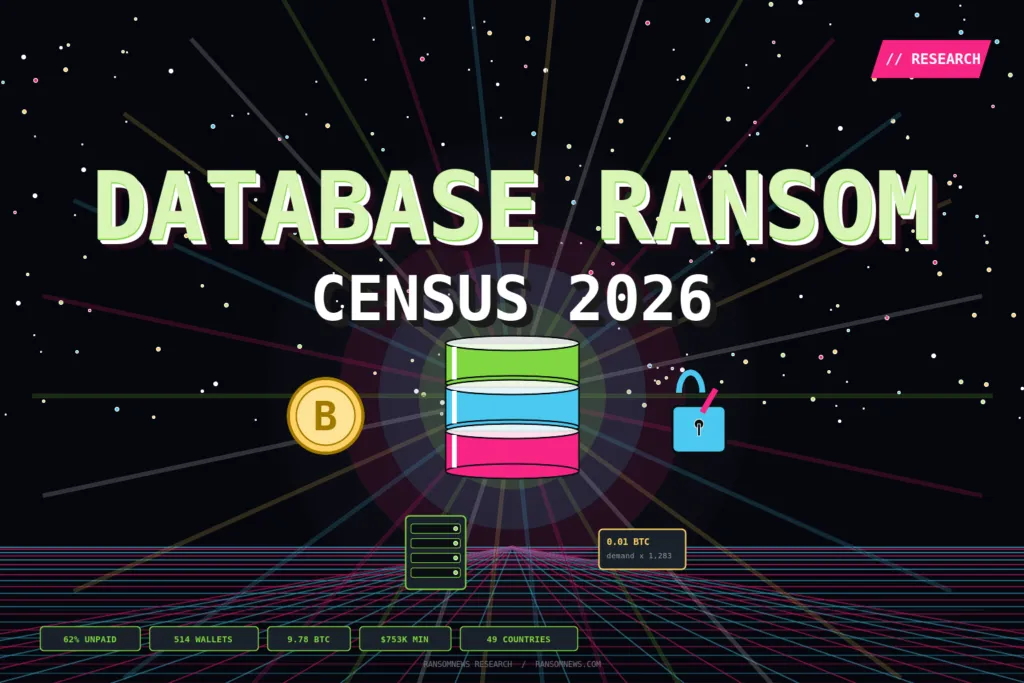
A recent study found that 30,515 out of 65,907 exposed databases on the internet carry ransom or wipe markers. Despite the prevalence of these ransom notes, 62% of the traced bitcoin wallets received no payments, indicating that the damage from these attacks occurs regardless of whether victims pay. The research highlights the growing issue of database extortion, which has seen a significant increase in incidents over the past few years.
- ▪The study observed 65,907 exposed databases, with 30,515 (46.3%) marked for ransom or wipe.
- ▪Of the 512 traced wallets, 318 (62%) received no bitcoin, showing that damage occurs even without payment.
- ▪The database ransom epidemic is largely overlooked, lacking the visibility of other ransomware attacks.
Hacker News (Newest) files mainly under programming. We currently carry 5,306 of its stories.
Story provenance
Source · retrieval · rights · ranking — open for full record
inspect →
Story provenance
Attribution is not the same as permission. This drawer separates discovery metadata, excerpts, WeSearch-generated summaries, reuse status, and whether the publisher receives the visit. Nothing here claims a legal grant the publisher has not made.
Record
| Original publisher | Ransomnews |
| Canonical URL | https://ransomnews.com/database-ransom-economics-2026/ |
| Publication time | Wed, 27 May 2026 06:44:44 +0000 |
| Retrieval time | 2026-05-27T07:07:56.846Z |
| Last seen | 2026-05-27T07:07:56.846Z |
| Headline source | Publisher (no WeSearch rewrite) |
| Excerpt source | publisher body |
| Excerpt method | First ~120 words (~800 chars) of extracted publisher body, fair-use limited. |
| Summary | WeSearch · cerebras-chat (WeSearch summarizer) |
| Summary source text | contentText |
| Citation coverage | Summary is a WeSearch-generated derivative; primary citation is the original publisher URL. |
| Cluster | XrGmvXXgP_He |
| Cluster logic | Grouped by semantic title/content similarity across sources within a rolling window. Same-publisher template collisions are excluded from coverage comparison. |
| Ranking reason | Story pages are not engagement-ranked. Hub feeds use recency, with optional source-diversified chronological ordering (cap consecutive stories per source). No personalized ranking. |
| Publisher visit | Yes — open original |
| Substitutes article? | No — link-out required for full text |
Rights status (four layers)
WeSearch handling by dimension
| Indexing | May the item be indexed (stored, ranked, made findable)? | Allowed |
| Snippet | May a short excerpt of the publisher's text be shown? | Allowed |
| AI summary | May WeSearch generate its own short summary of the article? | Limited |
| Retrieval / RAG | May the content be exposed for third-party retrieval-augmented generation? | Not asserted |
| Model training | May the content be used to train AI models? | Not asserted |
| Commercial reuse | May the content be reused commercially? | Not permitted |
Basis: Derived from the published RSS/Atom feed. Contact: [email protected]. Reviewed: 2026-07-24.
Opening excerpt (first ~120 words) tap to expand
Share Facebook Twitter LinkedIn Pinterest Email Copy Link We built a five-year census of 65,907 exposed databases on the public internet. 30,515 of them (46.3%) carry a ransom or wipe marker. We then validated every bitcoin address inside those notes, ending with 514 distinct attacker wallets. When we priced the 512 we could resolve on-chain, 318 had received zero bitcoin. The 9.78 BTC (around $753,000) that did move concentrated into a handful of operators. Mass database extortion is industrial, automated, mostly unpaid, and still doing enormous damage. Ransomnews Research Team. Census window: May 2021 to 13 May 2026. Wallet enrichment via mempool.space, priced at BTC = $76,992 on the lookup date. Key takeaways Scale of the corpus.
…
Excerpt limited to ~120 words for fair-use compliance. The full article is at Ransomnews.
Discussion
0 commentsMore from Ransomnews