CBS Radio News Goes Silent, and Public-Interest Media Fades With It
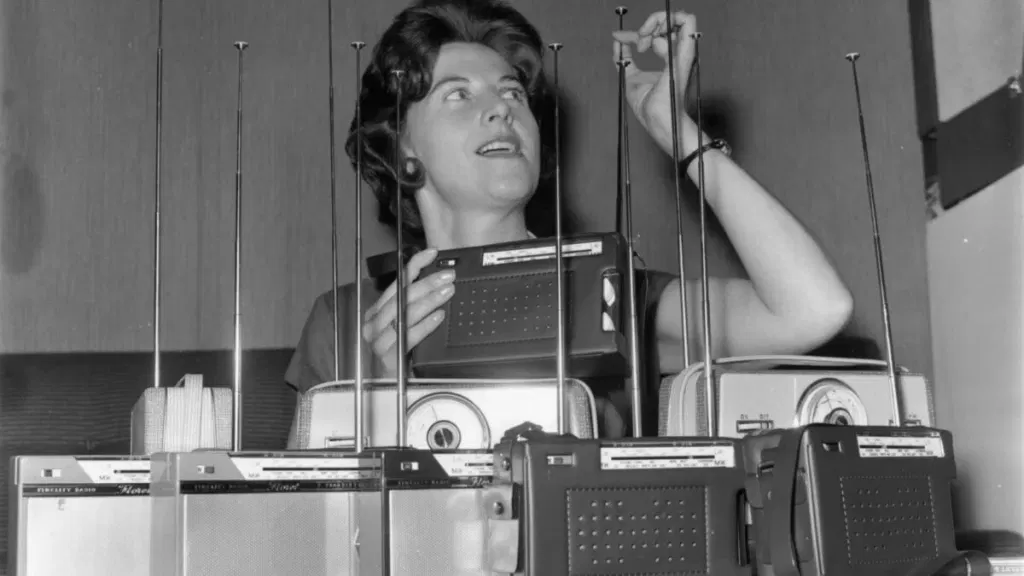
CBS Radio News will cease operations on May 22, 2026, marking the end of a nearly century-long tradition of news programming. The decline of CBS Radio News reflects a broader trend in which the media's role in serving the public interest has diminished. This shift raises concerns about the future of democratic discourse and the availability of reliable information for the American public.
- ▪CBS Radio News has been a staple of American news programming since its inception in 1927.
- ▪The decline of CBS Radio News symbolizes a fading commitment to media serving the public interest.
- ▪Historically, there was bipartisan support for regulating media to protect the public from misinformation.
Gizmodo files mainly under tech. We currently carry 703 of its stories.
Story provenance
Source · retrieval · rights · ranking — open for full record
inspect →
Story provenance
Attribution is not the same as permission. This drawer separates discovery metadata, excerpts, WeSearch-generated summaries, reuse status, and whether the publisher receives the visit. Nothing here claims a legal grant the publisher has not made.
Record
| Original publisher | Gizmodo |
| Canonical URL | https://gizmodo.com/as-goes-cbs-radio-news-so-goes-the-idea-that-news-media-should-serve-the-public-interest-2000762552 |
| Publication time | Sat, 23 May 2026 12:00:47 +0000 |
| Retrieval time | 2026-05-23T12:07:26.436Z |
| Last seen | 2026-05-23T12:07:26.436Z |
| Headline source | Publisher (no WeSearch rewrite) |
| Excerpt source | publisher body |
| Excerpt method | First ~120 words (~800 chars) of extracted publisher body, fair-use limited. |
| Summary | WeSearch · cerebras-chat (WeSearch summarizer) |
| Summary source text | contentText |
| Citation coverage | Summary is a WeSearch-generated derivative; primary citation is the original publisher URL. |
| Cluster | B98qlj1r497k |
| Cluster logic | Grouped by semantic title/content similarity across sources within a rolling window. Same-publisher template collisions are excluded from coverage comparison. |
| Ranking reason | Story pages are not engagement-ranked. Hub feeds use recency, with optional source-diversified chronological ordering (cap consecutive stories per source). No personalized ranking. |
| Publisher visit | Yes — open original |
| Substitutes article? | No — link-out required for full text |
Rights status (four layers)
WeSearch handling by dimension
| Indexing | May the item be indexed (stored, ranked, made findable)? | Allowed |
| Snippet | May a short excerpt of the publisher's text be shown? | Allowed |
| AI summary | May WeSearch generate its own short summary of the article? | Limited |
| Retrieval / RAG | May the content be exposed for third-party retrieval-augmented generation? | Not asserted |
| Model training | May the content be used to train AI models? | Not asserted |
| Commercial reuse | May the content be reused commercially? | Not permitted |
Basis: Derived from the published RSS/Atom feed. Contact: [email protected]. Reviewed: 2026-07-24.
Opening excerpt (first ~120 words) tap to expand
This article is republished from The Conversation under a Creative Commons license. Read the original article. When CBS Radio News goes silent on May 22, 2026, Americans will lose access to news programming they’ve tuned into from their living rooms, kitchens and cars for nearly a century. The once-bipartisan idea that the nation’s media should exist to serve democracy continues to fade with it, too. As a media historian, I think the story of CBS Radio News’ rise and fall cannot be told without telling another parallel story: the story of how the U.S. stopped demanding that media serve the public interest. When CBS was born in 1927, radio was ascendant, and this new form of mass communication was spurring vibrant discussions about how media could better serve democracy.
…
Excerpt limited to ~120 words for fair-use compliance. The full article is at Gizmodo.
Discussion
0 commentsMore from Gizmodo