
Egg-scanning AI may let hatcheries sort life, death and sex before chicks emerge
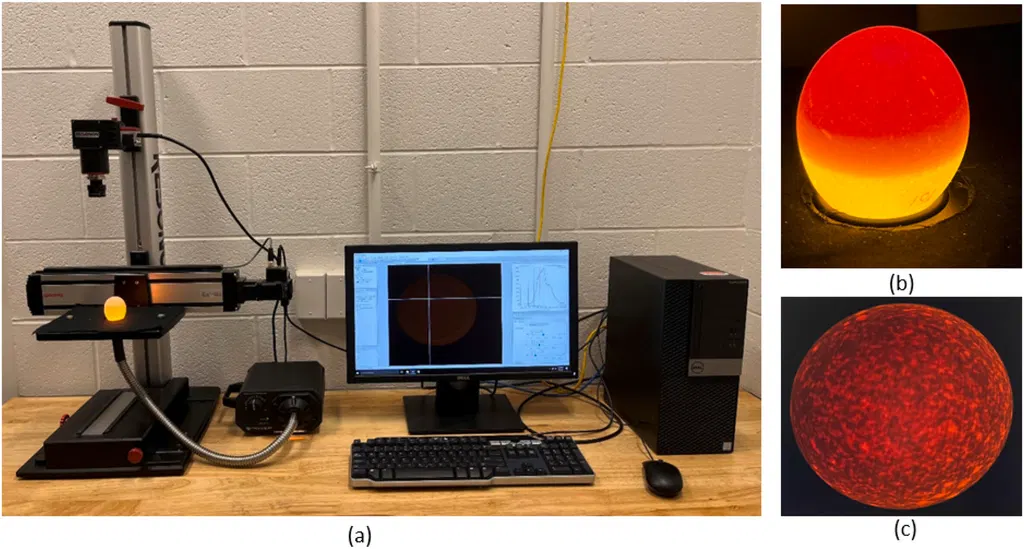
Researchers at the University of Illinois at Urbana-Champaign have developed an egg-scanning AI using hyperspectral imaging and machine learning to assess chicken egg viability, embryo sex, and mortality early in incubation. The technology could improve hatchery efficiency, reduce economic losses, and address animal welfare concerns by enabling early detection of non-viable embryos and male embryos. With up to 97% accuracy in predicting embryo mortality by day four, the system offers a non-invasive alternative to current methods.
- ▪The AI system uses hyperspectral imaging and machine learning to predict chick embryo mortality with up to 97% accuracy on day four of incubation.
- ▪Early detection of dead embryos can prevent biosecurity risks caused by bacterial growth in non-viable eggs.
- ▪Male chick culling, which affects around 6 billion chicks annually in the U.S., could be reduced through early sex determination of embryos.
- ▪Some European countries have banned male chick culling, increasing demand for non-invasive sex detection technologies in the poultry industry.
- ▪The research was published in British Poultry Science and Food Control, focusing on embryo mortality and sex determination, respectively.
Phys.org files mainly under science. We currently carry 1,272 of its stories.
Story provenance
Source · retrieval · rights · ranking — open for full record
inspect →
Story provenance
Attribution is not the same as permission. This drawer separates discovery metadata, excerpts, WeSearch-generated summaries, reuse status, and whether the publisher receives the visit. Nothing here claims a legal grant the publisher has not made.
Record
| Original publisher | Phys.org |
| Canonical URL | https://phys.org/news/2026-04-egg-scanning-ai-hatcheries-life.html |
| Publication time | Tue, 28 Apr 2026 17:30:03 EDT |
| Retrieval time | 2026-04-28T21:35:32.840Z |
| Last seen | 2026-04-28T21:35:32.840Z |
| Headline source | Publisher (no WeSearch rewrite) |
| Excerpt source | publisher body |
| Excerpt method | First ~120 words (~800 chars) of extracted publisher body, fair-use limited. |
| Summary | WeSearch · cerebras-chat (WeSearch summarizer) |
| Summary source text | contentText |
| Citation coverage | Summary is a WeSearch-generated derivative; primary citation is the original publisher URL. |
| Cluster | PbMycmXRlnsB |
| Cluster logic | Grouped by semantic title/content similarity across sources within a rolling window. Same-publisher template collisions are excluded from coverage comparison. |
| Ranking reason | Story pages are not engagement-ranked. Hub feeds use recency, with optional source-diversified chronological ordering (cap consecutive stories per source). No personalized ranking. |
| Publisher visit | Yes — open original |
| Substitutes article? | No — link-out required for full text |
Rights status (four layers)
WeSearch handling by dimension
| Indexing | May the item be indexed (stored, ranked, made findable)? | Allowed |
| Snippet | May a short excerpt of the publisher's text be shown? | Allowed |
| AI summary | May WeSearch generate its own short summary of the article? | Limited |
| Retrieval / RAG | May the content be exposed for third-party retrieval-augmented generation? | Not asserted |
| Model training | May the content be used to train AI models? | Not asserted |
| Commercial reuse | May the content be reused commercially? | Not permitted |
Basis: Derived from the published RSS/Atom feed. Contact: [email protected]. Reviewed: 2026-07-24.
Opening excerpt (first ~120 words) tap to expand
April 28, 2026 Egg-scanning AI may let hatcheries sort life, death and sex before chicks emerge by University of Illinois at Urbana-Champaign edited by Gaby Clark, reviewed by Robert Egan Gaby Clark Scientific Editor Meet our editorial team Behind our editorial process Robert Egan Associate Editor Meet our editorial team Behind our editorial process Editors' notes This article has been reviewed according to Science X's editorial process and policies. Editors have highlighted the following attributes while ensuring the content's credibility: fact-checked peer-reviewed publication trusted source proofread The GIST Add as preferred source A line-scan hyperspectral imaging system for sex determination in eggs: (a). Overall system setup for image acquisition, (b).
…
Excerpt limited to ~120 words for fair-use compliance. The full article is at Phys.org.