
E.P.A. Clears a Weedkiller, Saying It Won’t Push Species to Extinction
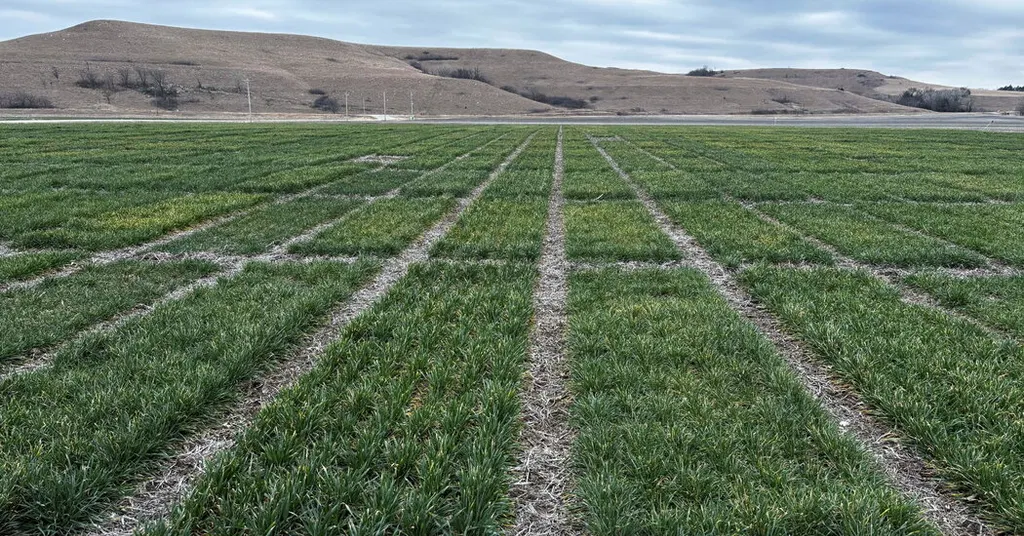
The E.P.A. has approved the continued use of atrazine, a widely used herbicide. This decision follows a finding by the Fish and Wildlife Service that atrazine will not cause extinctions. However, atrazine has been associated with health risks, including birth defects and cancer in humans.
- ▪The E.P.A. has cleared atrazine for continued use.
- ▪The Fish and Wildlife Service determined that atrazine will not lead to species extinction.
- ▪Atrazine has been linked to various health issues, including birth defects and cancer.
NYT — Science files mainly under science. We currently carry 59 of its stories.
Story provenance
Source · retrieval · rights · ranking — open for full record
inspect →
Story provenance
Attribution is not the same as permission. This drawer separates discovery metadata, excerpts, WeSearch-generated summaries, reuse status, and whether the publisher receives the visit. Nothing here claims a legal grant the publisher has not made.
Record
| Original publisher | NYT — Science |
| Canonical URL | https://www.nytimes.com/2026/05/19/climate/epa-atrazine-endangered-species-maha.html |
| Publication time | Tue, 19 May 2026 18:36:32 +0000 |
| Retrieval time | 2026-05-19T18:44:57.909Z |
| Last seen | 2026-05-19T18:44:59.308Z |
| Headline source | Publisher (no WeSearch rewrite) |
| Excerpt source | publisher body |
| Excerpt method | First ~120 words (~800 chars) of extracted publisher body, fair-use limited. |
| Summary | WeSearch · cerebras-chat (WeSearch summarizer) |
| Summary source text | contentText |
| Citation coverage | Summary is a WeSearch-generated derivative; primary citation is the original publisher URL. |
| Cluster | oDzia5coQSjl |
| Cluster logic | Grouped by semantic title/content similarity across sources within a rolling window. Same-publisher template collisions are excluded from coverage comparison. |
| Ranking reason | Story pages are not engagement-ranked. Hub feeds use recency, with optional source-diversified chronological ordering (cap consecutive stories per source). No personalized ranking. |
| Publisher visit | Yes — open original |
| Substitutes article? | No — link-out required for full text |
Rights status (four layers)
WeSearch handling by dimension
| Indexing | May the item be indexed (stored, ranked, made findable)? | Allowed |
| Snippet | May a short excerpt of the publisher's text be shown? | Allowed |
| AI summary | May WeSearch generate its own short summary of the article? | Limited |
| Retrieval / RAG | May the content be exposed for third-party retrieval-augmented generation? | Not asserted |
| Model training | May the content be used to train AI models? | Not asserted |
| Commercial reuse | May the content be reused commercially? | Not permitted |
Basis: Derived from the published RSS/Atom feed. Contact: [email protected]. Reviewed: 2026-07-24.
Opening excerpt (first ~120 words) tap to expand
AdvertisementSKIP ADVERTISEMENTYou have a preview view of this article while we are checking your access. When we have confirmed access, the full article content will load.Supported bySKIP ADVERTISEMENTFish and Wildlife Service Clears a Weedkiller, Saying It Won’t Cause ExtinctionsThe finding effectively paves the way for continued use of atrazine, a widely used herbicide that has been linked to birth defects and cancer in humans.Listen · 6:10 min Share full articleTest plots at a Syngenta research site in Junction City, Kan. Atrazine is made primarily by Syngenta.Credit...Julie Ingwersen/ReutersBy Hiroko TabuchiPublished May 19, 2026Updated May 20, 2026, 12:04 p.m.
…
Excerpt limited to ~120 words for fair-use compliance. The full article is at NYT — Science.
Discussion
0 commentsMore from NYT — Science


