
How K-Pop and AI Are Reshaping the Dokdo/Takeshima Dispute
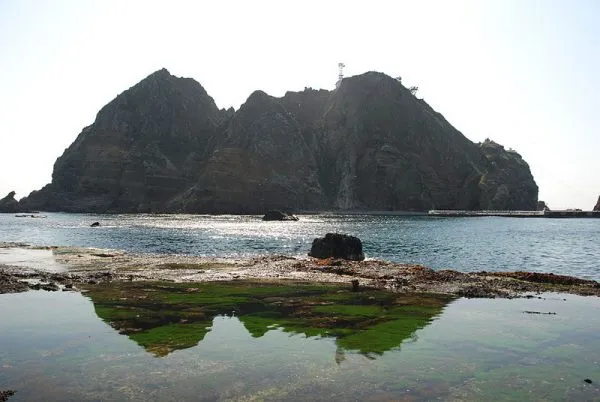
AI-generated K-Pop songs are transforming the Dokdo/Takeshima territorial dispute into a viral phenomenon. This digital nationalism leverages popular culture to engage younger generations in historical grievances between South Korea and Japan. The initiative has gained significant traction on social media, showcasing how technology can reshape political narratives.
- ▪The Dokdo/Takeshima dispute has been turned into viral digital nationalism through AI-generated K-Pop songs.
- ▪The 'DokdoKorea' initiative has generated nearly 20 million views across platforms like YouTube, Instagram, and TikTok.
- ▪AI tools have allowed creators to produce nationalistic content quickly and at a low cost, bypassing traditional production bottlenecks.
The Diplomat files mainly under world. We currently carry 3 of its stories.
Story provenance
Source · retrieval · rights · ranking — open for full record
inspect →
Story provenance
Attribution is not the same as permission. This drawer separates discovery metadata, excerpts, WeSearch-generated summaries, reuse status, and whether the publisher receives the visit. Nothing here claims a legal grant the publisher has not made.
Record
| Original publisher | The Diplomat |
| Canonical URL | https://thediplomat.com/2026/05/how-k-pop-and-ai-are-reshaping-the-dokdo-takeshima-dispute/ |
| Publication time | Mon, 25 May 2026 02:02:00 +0900 |
| Retrieval time | 2026-05-23T01:32:03.762Z |
| Last seen | 2026-05-23T01:32:03.762Z |
| Headline source | Publisher (no WeSearch rewrite) |
| Excerpt source | publisher body |
| Excerpt method | First ~120 words (~800 chars) of extracted publisher body, fair-use limited. |
| Summary | WeSearch · cerebras-chat (WeSearch summarizer) |
| Summary source text | contentText |
| Citation coverage | Summary is a WeSearch-generated derivative; primary citation is the original publisher URL. |
| Cluster | r72IukOIF51D |
| Cluster logic | Grouped by semantic title/content similarity across sources within a rolling window. Same-publisher template collisions are excluded from coverage comparison. |
| Ranking reason | Story pages are not engagement-ranked. Hub feeds use recency, with optional source-diversified chronological ordering (cap consecutive stories per source). No personalized ranking. |
| Publisher visit | Yes — open original |
| Substitutes article? | No — link-out required for full text |
Rights status (four layers)
WeSearch handling by dimension
| Indexing | May the item be indexed (stored, ranked, made findable)? | Allowed |
| Snippet | May a short excerpt of the publisher's text be shown? | Allowed |
| AI summary | May WeSearch generate its own short summary of the article? | Limited |
| Retrieval / RAG | May the content be exposed for third-party retrieval-augmented generation? | Not asserted |
| Model training | May the content be used to train AI models? | Not asserted |
| Commercial reuse | May the content be reused commercially? | Not permitted |
Basis: Derived from the published RSS/Atom feed. Contact: [email protected]. Reviewed: 2026-07-24.
Opening excerpt (first ~120 words) tap to expand
The Koreas | Society | East Asia How K-Pop and AI Are Reshaping the Dokdo/Takeshima Dispute AI-generated K-pop songs about the disputed islands are turning historical grievances between South Korea and Japan into viral digital nationalism. By Natalia Matiaszczyk May 25, 2026 Credit: Wikimedia Commons/ Ulleungdont Subscribe for ads-free reading The Liancourt Rocks, known to Koreans as Dokdo, and to Japanese as Takeshima, are a pair of lonely, wind-swept volcanic islets in the waters between the Korean Peninsula and Japan. For decades, the territorial dispute between Seoul and Tokyo over these rocks played out through official statements and government posturing. But for South Koreans, Dokdo has never been just territory.
…
Excerpt limited to ~120 words for fair-use compliance. The full article is at The Diplomat.
Discussion
0 commentsMore from The Diplomat


