How to Stargaze Without a Telescope, Safely Observe Wildlife on a Hike, and Where to See Bioluminescence in Person
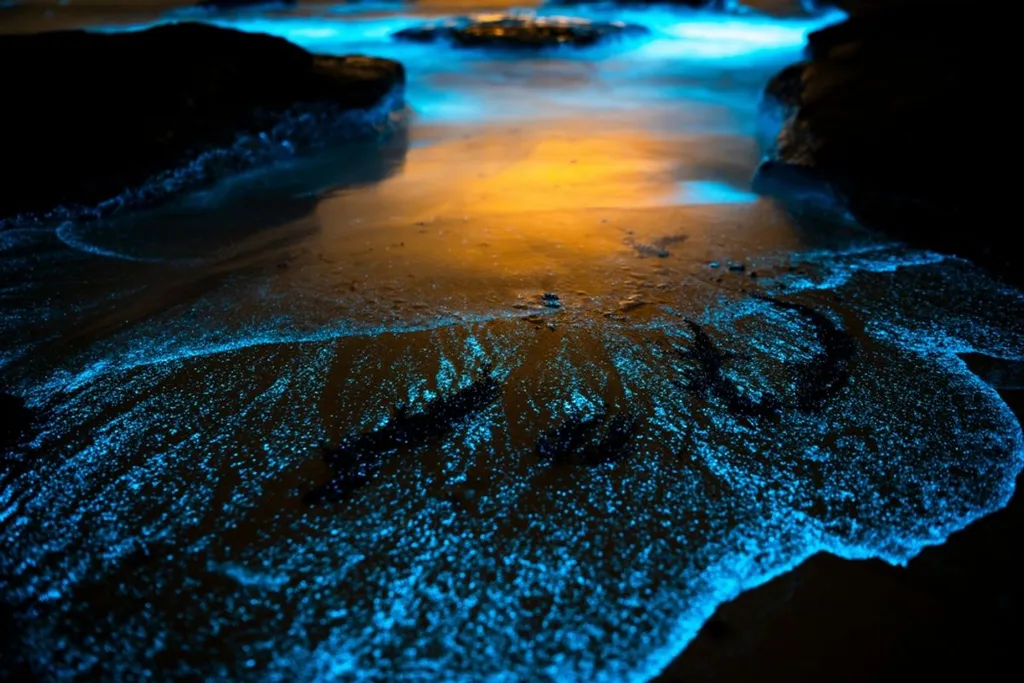
As warmer weather arrives, outdoor activities like stargazing, birdwatching, and wildlife observation become popular. Stargazing can be enjoyed without a telescope by planning ahead and finding dark locations away from city lights. Observing migrating orioles and respecting wildlife during hikes are also highlighted as enjoyable springtime activities.
- ▪Stargazing can be done without a telescope by using apps to plan and finding dark locations.
- ▪Orioles migrate back to North America in spring, and can be attracted to backyards with specific foods.
- ▪When observing wildlife, it's important to maintain a safe distance and respect their natural behavior.
Discover Magazine files mainly under science. We currently carry 86 of its stories.
Story provenance
Source · retrieval · rights · ranking — open for full record
inspect →
Story provenance
Attribution is not the same as permission. This drawer separates discovery metadata, excerpts, WeSearch-generated summaries, reuse status, and whether the publisher receives the visit. Nothing here claims a legal grant the publisher has not made.
Record
| Original publisher | Discover Magazine |
| Canonical URL | https://www.discovermagazine.com/how-to-stargaze-without-a-telescope-safely-observe-wildlife-on-a-hike-and-where-to-see-bioluminescence-in-person-49162 |
| Publication time | Wed, 27 May 2026 20:50:00 GMT |
| Retrieval time | 2026-05-27T21:03:04.640Z |
| Last seen | 2026-05-27T21:03:04.640Z |
| Headline source | Publisher (no WeSearch rewrite) |
| Excerpt source | publisher body |
| Excerpt method | First ~120 words (~800 chars) of extracted publisher body, fair-use limited. |
| Summary | WeSearch · cerebras-chat (WeSearch summarizer) |
| Summary source text | contentText |
| Citation coverage | Summary is a WeSearch-generated derivative; primary citation is the original publisher URL. |
| Cluster | l-tItS52XIQ1 |
| Cluster logic | Grouped by semantic title/content similarity across sources within a rolling window. Same-publisher template collisions are excluded from coverage comparison. |
| Ranking reason | Story pages are not engagement-ranked. Hub feeds use recency, with optional source-diversified chronological ordering (cap consecutive stories per source). No personalized ranking. |
| Publisher visit | Yes — open original |
| Substitutes article? | No — link-out required for full text |
Rights status (four layers)
WeSearch handling by dimension
| Indexing | May the item be indexed (stored, ranked, made findable)? | Allowed |
| Snippet | May a short excerpt of the publisher's text be shown? | Allowed |
| AI summary | May WeSearch generate its own short summary of the article? | Limited |
| Retrieval / RAG | May the content be exposed for third-party retrieval-augmented generation? | Not asserted |
| Model training | May the content be used to train AI models? | Not asserted |
| Commercial reuse | May the content be reused commercially? | Not permitted |
Basis: Derived from the published RSS/Atom feed. Contact: [email protected]. Reviewed: 2026-07-24.
Opening excerpt (first ~120 words) tap to expand
From attracting vibrant spring birds to your backyard feeder to respecting wildlife in the great outdoors to lying out on a moonless night to capture the view of millions of stars to observing bioluminescent organisms in the ocean, warmer weather is here, and getting outdoors may be calling your name. 1. How to Stargaze Without a TelescopeYou don’t need a telescope to start stargazing — just a little planning and patience. (Image Credit: sripfoto/Shutterstock)The best way to ensure a successful stargazing outing is to plan ahead, and one of the best resources is your phone. Apps like Stellarium or SkySafari can help you map out what will be visible in the night sky at specific dates and times. When it comes to location, your backyard could be the perfect place.
…
Excerpt limited to ~120 words for fair-use compliance. The full article is at Discover Magazine.
Discussion
0 commentsMore from Discover Magazine