H.P. Lovecraft borrowed from this real Connecticut seismic phenomenon
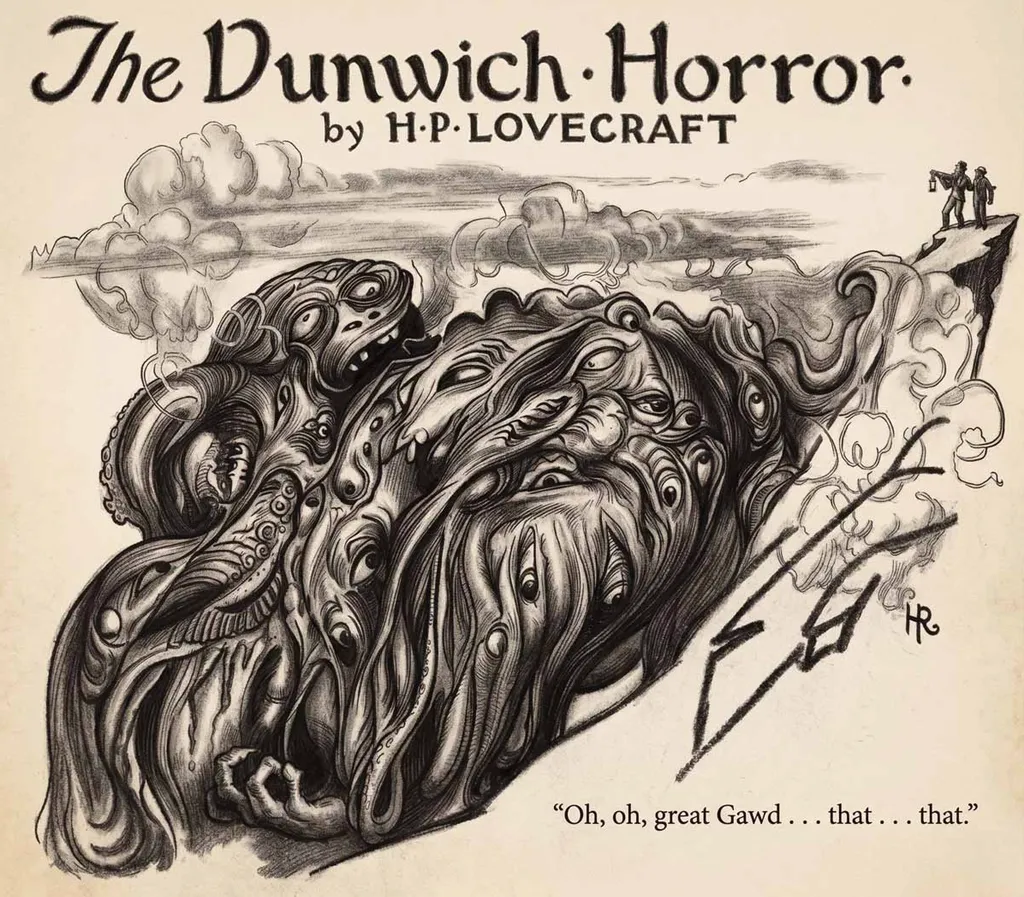
The village of Moodus in Connecticut is known for its unique seismic phenomenon that produces audible microearthquakes. This phenomenon inspired H.P. Lovecraft's work, particularly in 'The Dunwich Horror.' The area's indigenous peoples and early settlers had differing interpretations of the sounds, which have been a part of local lore for centuries.
- ▪Moodus lies over a seismic fault that produces shallow microearthquakes.
- ▪The Algonquian peoples named the area Matchitmoodus, meaning 'the place of noises.'
- ▪H.P. Lovecraft incorporated the Moodus phenomenon into his story 'The Dunwich Horror.'
Boing Boing files mainly under tech. We currently carry 372 of its stories.
Story provenance
Source · retrieval · rights · ranking — open for full record
inspect →
Story provenance
Attribution is not the same as permission. This drawer separates discovery metadata, excerpts, WeSearch-generated summaries, reuse status, and whether the publisher receives the visit. Nothing here claims a legal grant the publisher has not made.
Record
| Original publisher | Boing Boing |
| Canonical URL | https://boingboing.net/2026/05/20/h-p-lovecraft-borrowed-from-this-real-connecticut-seismic-phenomenon.html |
| Publication time | Wed, 20 May 2026 18:34:55 +0000 |
| Retrieval time | 2026-05-20T18:45:02.958Z |
| Last seen | 2026-05-20T18:45:02.958Z |
| Headline source | Publisher (no WeSearch rewrite) |
| Excerpt source | publisher body |
| Excerpt method | First ~120 words (~800 chars) of extracted publisher body, fair-use limited. |
| Summary | WeSearch · cerebras-chat (WeSearch summarizer) |
| Summary source text | contentText |
| Citation coverage | Summary is a WeSearch-generated derivative; primary citation is the original publisher URL. |
| Cluster | mnDAbo9ZquN6 |
| Cluster logic | Grouped by semantic title/content similarity across sources within a rolling window. Same-publisher template collisions are excluded from coverage comparison. |
| Ranking reason | Story pages are not engagement-ranked. Hub feeds use recency, with optional source-diversified chronological ordering (cap consecutive stories per source). No personalized ranking. |
| Publisher visit | Yes — open original |
| Substitutes article? | No — link-out required for full text |
Rights status (four layers)
WeSearch handling by dimension
| Indexing | May the item be indexed (stored, ranked, made findable)? | Allowed |
| Snippet | May a short excerpt of the publisher's text be shown? | Allowed |
| AI summary | May WeSearch generate its own short summary of the article? | Limited |
| Retrieval / RAG | May the content be exposed for third-party retrieval-augmented generation? | Not asserted |
| Model training | May the content be used to train AI models? | Not asserted |
| Commercial reuse | May the content be reused commercially? | Not permitted |
Basis: Derived from the published RSS/Atom feed. Contact: [email protected]. Reviewed: 2026-07-24.
Opening excerpt (first ~120 words) tap to expand
H.P. Lovecraft borrowed from this real Connecticut seismic phenomenon Ellsworth Toohey 11:34 am Wed May 20, 2026 The Connecticut village of Moodus lies over a seismic fault that produces shallow microearthquakes that cause weird booms, rumbles, and cracks. The Algonquian peoples named the area Matchitmoodus. ("the place of noises") The biggest Moodus Noise on record was an intensity-7 earthquake on May 16, 1791. The Pequot, Mohegan, Narragansett, and Wangunk tribes gathered near Mount Tom to experience the sounds, which they associated with the deity Hobbomock. Puritan settlers thought Hobomok was evil; the tribes saw him as something more complicated, morally ambiguous, capable of good and harm. Either way, everybody agreed the ground was making noise.
…
Excerpt limited to ~120 words for fair-use compliance. The full article is at Boing Boing.
Discussion
0 commentsMore from Boing Boing