'I'm sorry Dave': NASA is working on an AI chip to help next-generation spacecraft think for themselves — so clearly they haven't seen 2001: A Space Odyssey
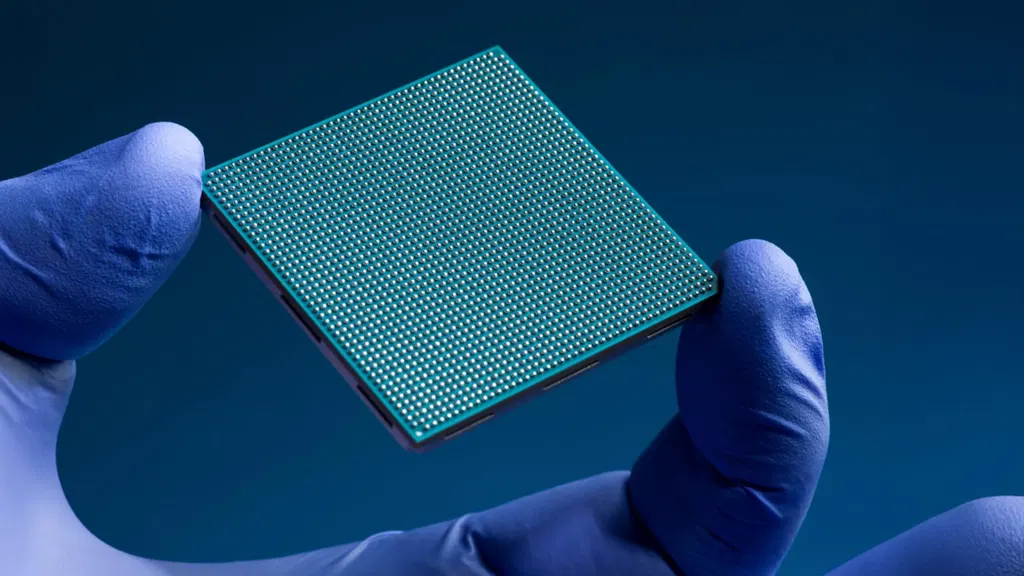
NASA is developing a new AI chip designed for next-generation spacecraft to enhance their autonomous decision-making capabilities. This chip promises to deliver significantly higher computing power, potentially up to 500 times greater than current technology. The initiative aims to address communication delays experienced during deep-space missions by enabling spacecraft to operate independently.
- ▪NASA's new radiation-hardened chip offers up to 100 times more computing power than existing spaceflight hardware.
- ▪The chip is part of the High-Performance Spaceflight Computing (HPSC) project, which seeks to reduce reliance on Earth-based controllers.
- ▪Early tests have shown performance levels approximately 500 times greater than current radiation-protected processors.
TechRadar publishes from United Kingdom and files mainly under tech. We currently carry 1,513 of its stories.
Story provenance
Source · retrieval · rights · ranking — open for full record
inspect →
Story provenance
Attribution is not the same as permission. This drawer separates discovery metadata, excerpts, WeSearch-generated summaries, reuse status, and whether the publisher receives the visit. Nothing here claims a legal grant the publisher has not made.
Record
| Original publisher | TechRadar |
| Canonical URL | https://www.techradar.com/pro/im-sorry-dave-once-again-nasa-is-working-on-an-ai-chip-to-help-next-generation-spacecraft-think-for-themselves-clearly-they-havent-seen-2001-a-space-odyssey |
| Publication time | Mon, 18 May 2026 20:35:00 +0000 |
| Retrieval time | 2026-05-18T20:39:56.949Z |
| Last seen | 2026-05-18T20:39:56.949Z |
| Headline source | Publisher (no WeSearch rewrite) |
| Excerpt source | publisher body |
| Excerpt method | First ~120 words (~800 chars) of extracted publisher body, fair-use limited. |
| Summary | WeSearch · cerebras-chat (WeSearch summarizer) |
| Summary source text | contentText |
| Citation coverage | Summary is a WeSearch-generated derivative; primary citation is the original publisher URL. |
| Cluster | c4rkLEVK8s7Q |
| Cluster logic | Grouped by semantic title/content similarity across sources within a rolling window. Same-publisher template collisions are excluded from coverage comparison. |
| Ranking reason | Story pages are not engagement-ranked. Hub feeds use recency, with optional source-diversified chronological ordering (cap consecutive stories per source). No personalized ranking. |
| Publisher visit | Yes — open original |
| Substitutes article? | No — link-out required for full text |
Rights status (four layers)
WeSearch handling by dimension
| Indexing | May the item be indexed (stored, ranked, made findable)? | Allowed |
| Snippet | May a short excerpt of the publisher's text be shown? | Allowed |
| AI summary | May WeSearch generate its own short summary of the article? | Limited |
| Retrieval / RAG | May the content be exposed for third-party retrieval-augmented generation? | Not asserted |
| Model training | May the content be used to train AI models? | Not asserted |
| Commercial reuse | May the content be reused commercially? | Not permitted |
Basis: Derived from the published RSS/Atom feed. Contact: [email protected]. Reviewed: 2026-07-24.
Opening excerpt (first ~120 words) tap to expand
Pro 'I'm sorry Dave': NASA is working on an AI chip to help next-generation spacecraft think for themselves — so clearly they haven't seen 2001: A Space Odyssey News By Efosa Udinmwen published 18 May 2026 NASA’s next-generation spacecraft chip delivers massive computing power When you purchase through links on our site, we may earn an affiliate commission. Here’s how it works. (Image credit: Sciencedaily) Copy link Facebook X Whatsapp Reddit Pinterest Flipboard Threads Email Share this article 0 Join the conversation Follow us Add us as a preferred source on Google Newsletter Subscribe to our newsletter NASA developed autonomous spacecraft processors with dramatically higher computing performance levelsNew radiation-hardened chip delivers hundreds of times greater processing…
Excerpt limited to ~120 words for fair-use compliance. The full article is at TechRadar.
Discussion
0 commentsMore from TechRadar