In 1997, NOAA recorded a sound louder than any known animal
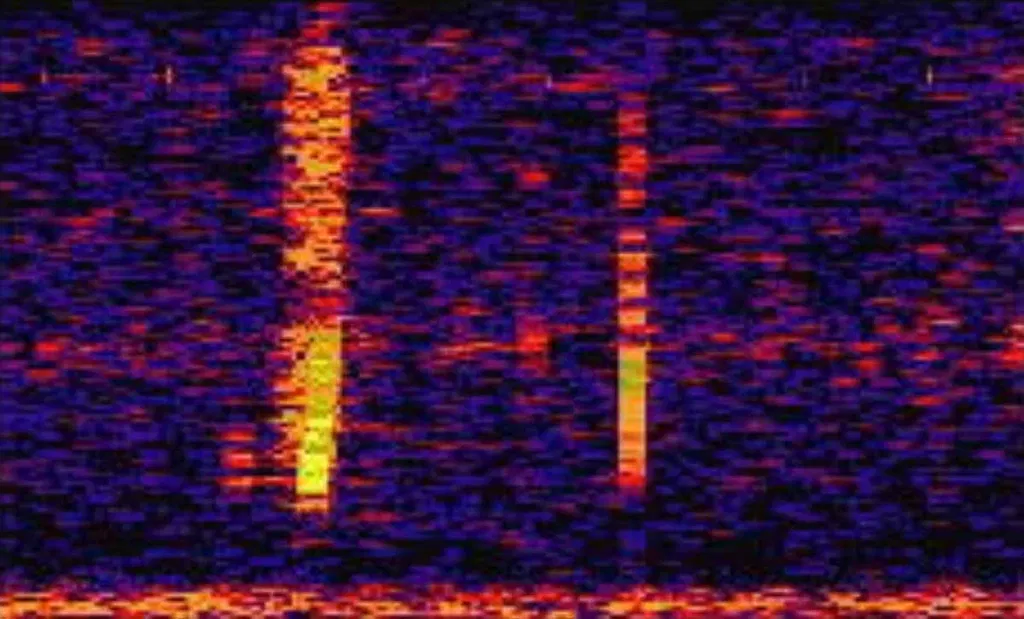
In 1997, NOAA recorded an unusual underwater sound known as 'the Bloop' off the coast of southern Chile. Initially thought to be from a powerful living creature, it was later identified as the result of icequakes. The sound remains a notable example of the ocean's unexplained phenomena, despite its mundane origin.
- ▪NOAA's underwater microphone network recorded the Bloop in the summer of 1997.
- ▪The sound was loud enough to be detected by sensors nearly 5,000 kilometers apart.
- ▪In 2012, researchers linked the Bloop's acoustic signature to sounds produced by massive Antarctic icebergs.
Boing Boing files mainly under tech. We currently carry 377 of its stories.
Story provenance
Source · retrieval · rights · ranking — open for full record
inspect →
Story provenance
Attribution is not the same as permission. This drawer separates discovery metadata, excerpts, WeSearch-generated summaries, reuse status, and whether the publisher receives the visit. Nothing here claims a legal grant the publisher has not made.
Record
| Original publisher | Boing Boing |
| Canonical URL | https://boingboing.net/2026/05/19/in-1997-noaa-recorded-a-sound-louder-than-any-known-animal.html |
| Publication time | Tue, 19 May 2026 20:27:41 +0000 |
| Retrieval time | 2026-05-19T20:44:58.098Z |
| Last seen | 2026-05-19T20:44:58.098Z |
| Headline source | Publisher (no WeSearch rewrite) |
| Excerpt source | publisher body |
| Excerpt method | First ~120 words (~800 chars) of extracted publisher body, fair-use limited. |
| Summary | WeSearch · cerebras-chat (WeSearch summarizer) |
| Summary source text | contentText |
| Citation coverage | Summary is a WeSearch-generated derivative; primary citation is the original publisher URL. |
| Cluster | zkvgKilp79wK |
| Cluster logic | Grouped by semantic title/content similarity across sources within a rolling window. Same-publisher template collisions are excluded from coverage comparison. |
| Ranking reason | Story pages are not engagement-ranked. Hub feeds use recency, with optional source-diversified chronological ordering (cap consecutive stories per source). No personalized ranking. |
| Publisher visit | Yes — open original |
| Substitutes article? | No — link-out required for full text |
Rights status (four layers)
WeSearch handling by dimension
| Indexing | May the item be indexed (stored, ranked, made findable)? | Allowed |
| Snippet | May a short excerpt of the publisher's text be shown? | Allowed |
| AI summary | May WeSearch generate its own short summary of the article? | Limited |
| Retrieval / RAG | May the content be exposed for third-party retrieval-augmented generation? | Not asserted |
| Model training | May the content be used to train AI models? | Not asserted |
| Commercial reuse | May the content be reused commercially? | Not permitted |
Basis: Derived from the published RSS/Atom feed. Contact: [email protected]. Reviewed: 2026-07-24.
Opening excerpt (first ~120 words) tap to expand
In 1997, NOAA recorded a sound louder than any known animal Ellsworth Toohey 1:27 pm Tue May 19, 2026 In the summer of 1997, NOAA's underwater microphone network — a Cold War-era array of hydrophones originally built to track Soviet submarines and later repurposed to monitor earthquakes and whale migrations — picked up something strange off the coast of southern Chile. The sound lasted about a minute, rose in frequency as it went, and was loud enough to register on sensors nearly 5,000 kilometers apart. NOAA scientist Christopher Fox noted that the audio profile resembled a living creature, but added that whatever made it would have to be far more powerful than any animal on Earth. The sound — which NOAA nicknamed "the Bloop" — was recorded exactly once and never appeared again.
…
Excerpt limited to ~120 words for fair-use compliance. The full article is at Boing Boing.
Discussion
0 commentsMore from Boing Boing