Indonesia really can’t afford another air pollution crisis
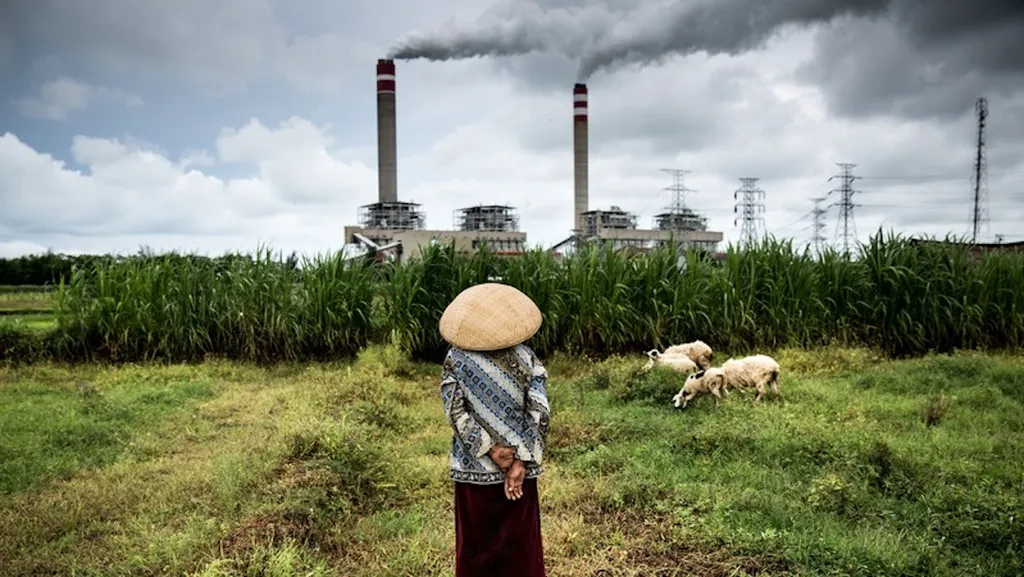
Indonesia is facing a potential air pollution crisis exacerbated by a new super El Niño and ongoing reliance on coal power. The economic and health impacts of air pollution could lead to significant premature deaths and rising costs. Policymakers are urged to transition away from coal to mitigate these risks and improve public health outcomes.
- ▪Jakarta became one of the most polluted cities in the world in August 2023, prompting health concerns and changes in public behavior.
- ▪A joint study estimates that air pollution from Indonesia's coal-powered nickel industry could lead to over 3,800 premature deaths annually in the near term.
- ▪The economic burden of air pollution is projected to rise from approximately $2.63 billion annually to $3.42 billion by 2030.
Asia Times files mainly under world. We currently carry 156 of its stories.
Story provenance
Source · retrieval · rights · ranking — open for full record
inspect →
Story provenance
Attribution is not the same as permission. This drawer separates discovery metadata, excerpts, WeSearch-generated summaries, reuse status, and whether the publisher receives the visit. Nothing here claims a legal grant the publisher has not made.
Record
| Original publisher | Asia Times |
| Canonical URL | https://asiatimes.com/2026/06/indonesia-really-cant-afford-another-air-pollution-crisis/ |
| Publication time | Wed, 03 Jun 2026 09:28:39 +0000 |
| Retrieval time | 2026-06-03T09:32:00.386Z |
| Last seen | 2026-06-03T09:32:00.386Z |
| Headline source | Publisher (no WeSearch rewrite) |
| Excerpt source | publisher body |
| Excerpt method | First ~120 words (~800 chars) of extracted publisher body, fair-use limited. |
| Summary | WeSearch · cerebras-chat (WeSearch summarizer) |
| Summary source text | contentText |
| Citation coverage | Summary is a WeSearch-generated derivative; primary citation is the original publisher URL. |
| Cluster | nO6lbcBKCnSN |
| Cluster logic | Grouped by semantic title/content similarity across sources within a rolling window. Same-publisher template collisions are excluded from coverage comparison. |
| Ranking reason | Story pages are not engagement-ranked. Hub feeds use recency, with optional source-diversified chronological ordering (cap consecutive stories per source). No personalized ranking. |
| Publisher visit | Yes — open original |
| Substitutes article? | No — link-out required for full text |
Rights status (four layers)
WeSearch handling by dimension
| Indexing | May the item be indexed (stored, ranked, made findable)? | Allowed |
| Snippet | May a short excerpt of the publisher's text be shown? | Allowed |
| AI summary | May WeSearch generate its own short summary of the article? | Limited |
| Retrieval / RAG | May the content be exposed for third-party retrieval-augmented generation? | Not asserted |
| Model training | May the content be used to train AI models? | Not asserted |
| Commercial reuse | May the content be reused commercially? | Not permitted |
Basis: Derived from the published RSS/Atom feed. Contact: [email protected]. Reviewed: 2026-07-24.
Opening excerpt (first ~120 words) tap to expand
In August 2023, Jakarta briefly became a symbol of what happens when governments ignore environmental warning signs for too long. The city ranked among the most polluted places in the world. Schools adjusted activities. Some offices asked employees to work from home. Parents worried about their children breathing outdoor air. Masks returned, not because of a pandemic, but because the air itself had become a public health threat. Many Indonesians treated the episode as an unfortunate seasonal event, but it was really a preview. Meteorologists are now warning that a new super El Niño could emerge, bringing hotter temperatures, longer dry seasons and worsening air quality across large parts of Indonesia.
…
Excerpt limited to ~120 words for fair-use compliance. The full article is at Asia Times.
Discussion
0 commentsMore from Asia Times