Like Suez for the Brits, Hormuz spells doom for US empire
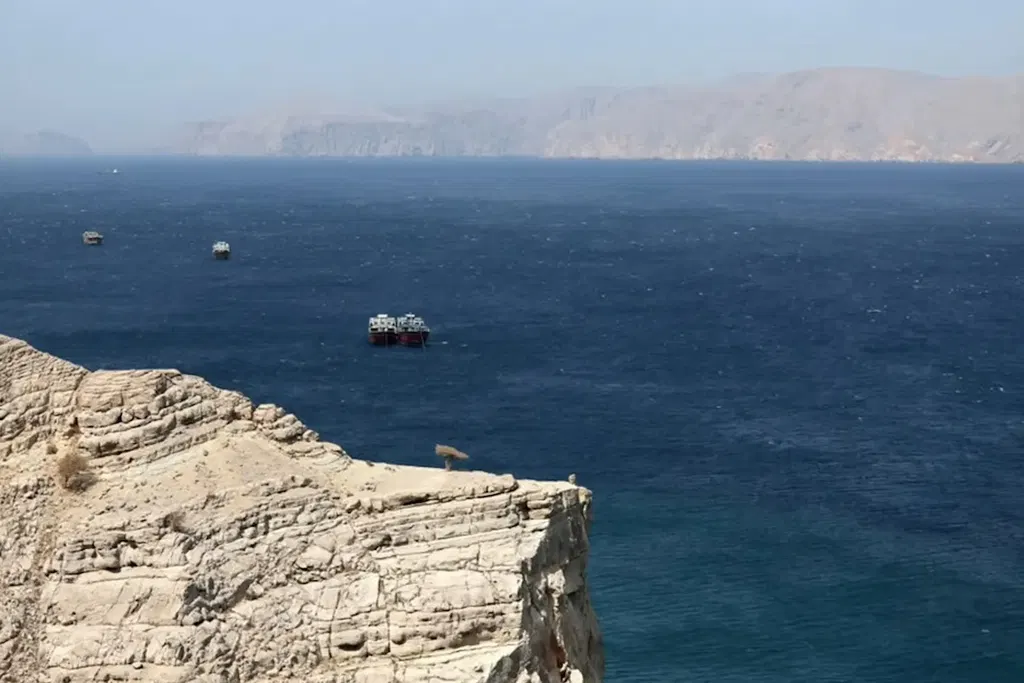
The article draws parallels between the decline of the British Empire during the Suez Crisis and the current situation of the United States regarding Iran. It discusses how both empires faced critical tipping points that signaled their diminishing global influence. The author suggests that the U.S. is experiencing a similar 'end of empire' moment as it navigates complex geopolitical challenges.
- ▪The Suez Crisis in 1956 marked a significant decline for the British Empire, paralleling the current U.S. situation with Iran.
- ▪Egypt's President Nasser nationalized the Suez Canal, prompting military responses from Britain and France.
- ▪The U.S. intervened to prevent British and French control of the Canal, leading to a ceasefire and withdrawal of foreign forces.
Asia Times files mainly under world. We currently carry 156 of its stories.
Story provenance
Source · retrieval · rights · ranking — open for full record
inspect →
Story provenance
Attribution is not the same as permission. This drawer separates discovery metadata, excerpts, WeSearch-generated summaries, reuse status, and whether the publisher receives the visit. Nothing here claims a legal grant the publisher has not made.
Record
| Original publisher | Asia Times |
| Canonical URL | https://asiatimes.com/2026/05/like-suez-for-the-brits-hormuz-spells-doom-for-us-empire/ |
| Publication time | Mon, 18 May 2026 02:57:56 +0000 |
| Retrieval time | 2026-05-18T03:01:43.073Z |
| Last seen | 2026-05-18T03:01:43.073Z |
| Headline source | Publisher (no WeSearch rewrite) |
| Excerpt source | publisher body |
| Excerpt method | First ~120 words (~800 chars) of extracted publisher body, fair-use limited. |
| Summary | WeSearch · cerebras-chat (WeSearch summarizer) |
| Summary source text | contentText |
| Citation coverage | Summary is a WeSearch-generated derivative; primary citation is the original publisher URL. |
| Cluster | 8KjXqqpwzgjq |
| Cluster logic | Grouped by semantic title/content similarity across sources within a rolling window. Same-publisher template collisions are excluded from coverage comparison. |
| Ranking reason | Story pages are not engagement-ranked. Hub feeds use recency, with optional source-diversified chronological ordering (cap consecutive stories per source). No personalized ranking. |
| Publisher visit | Yes — open original |
| Substitutes article? | No — link-out required for full text |
Rights status (four layers)
WeSearch handling by dimension
| Indexing | May the item be indexed (stored, ranked, made findable)? | Allowed |
| Snippet | May a short excerpt of the publisher's text be shown? | Allowed |
| AI summary | May WeSearch generate its own short summary of the article? | Limited |
| Retrieval / RAG | May the content be exposed for third-party retrieval-augmented generation? | Not asserted |
| Model training | May the content be used to train AI models? | Not asserted |
| Commercial reuse | May the content be reused commercially? | Not permitted |
Basis: Derived from the published RSS/Atom feed. Contact: [email protected]. Reviewed: 2026-07-24.
Opening excerpt (first ~120 words) tap to expand
Empires rise and fall. They do not last forever. Imperial declines follow a gradual shifting of the economic tides, but are also punctuated and defined by critical tipping points. There are many differences between the Suez Crisis in 1956 and the US war on Iran today, but similarities in the larger context suggest that the United States is facing the same kind of “end of empire” moment that the British Empire faced in that historic crisis. In 1956, the British Empire was still resisting independence movements in many of its colonies. The horrors of British Mau Mau concentration camps in Kenya and Britain’s brutal guerrilla war in Malaya continued throughout the 1950s, and, like the US today, Britain still had military bases all over the world.
…
Excerpt limited to ~120 words for fair-use compliance. The full article is at Asia Times.
Discussion
0 commentsMore from Asia Times