LLM Themes Are Not Observations
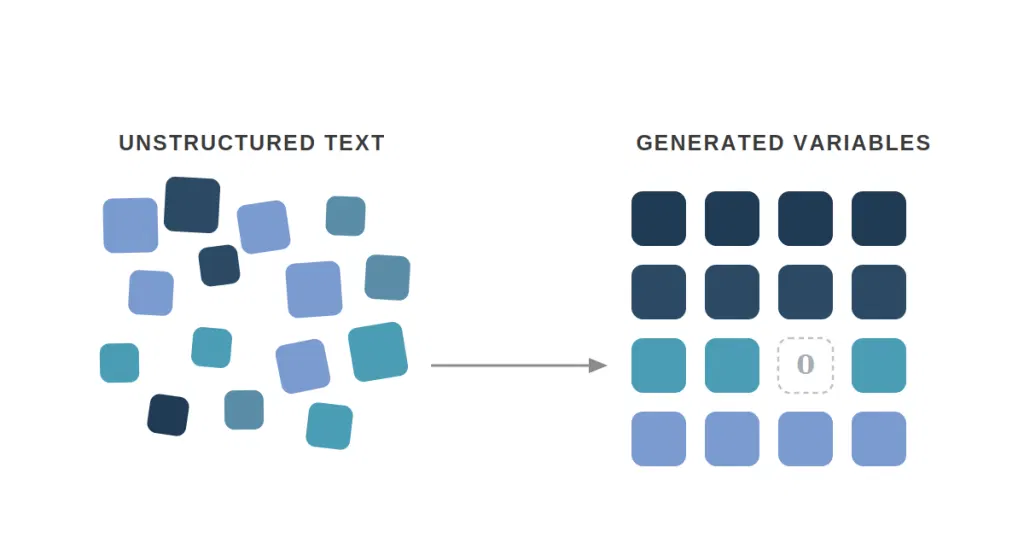
The article discusses the pitfalls of using themes extracted from customer interactions in causal analysis. It highlights that these themes are not direct observations of customer attributes but rather generated variables influenced by various biases. The author warns that treating these outputs as valid measurements can lead to significant misinterpretations in data analysis.
- ▪LLM-extracted themes are often treated as direct readings of customer states, which they are not.
- ▪The article identifies four main issues that arise when using these generated variables in analysis: selection, timing, measurement, and role.
- ▪Misinterpretations can occur when analysts do not account for the data-generating processes behind the themes.
Towards Data Science files mainly under ai. We currently carry 104 of its stories.
Story provenance
Source · retrieval · rights · ranking — open for full record
inspect →
Story provenance
Attribution is not the same as permission. This drawer separates discovery metadata, excerpts, WeSearch-generated summaries, reuse status, and whether the publisher receives the visit. Nothing here claims a legal grant the publisher has not made.
Record
| Original publisher | Towards Data Science |
| Canonical URL | https://towardsdatascience.com/llm-themes-are-not-observations/ |
| Publication time | Thu, 21 May 2026 16:30:00 +0000 |
| Retrieval time | 2026-05-21T16:36:35.027Z |
| Last seen | 2026-05-21T16:36:35.027Z |
| Headline source | Publisher (no WeSearch rewrite) |
| Excerpt source | publisher body |
| Excerpt method | First ~120 words (~800 chars) of extracted publisher body, fair-use limited. |
| Summary | WeSearch · cerebras-chat (WeSearch summarizer) |
| Summary source text | contentText |
| Citation coverage | Summary is a WeSearch-generated derivative; primary citation is the original publisher URL. |
| Cluster | S0QgxQriQgKd |
| Cluster logic | Grouped by semantic title/content similarity across sources within a rolling window. Same-publisher template collisions are excluded from coverage comparison. |
| Ranking reason | Story pages are not engagement-ranked. Hub feeds use recency, with optional source-diversified chronological ordering (cap consecutive stories per source). No personalized ranking. |
| Publisher visit | Yes — open original |
| Substitutes article? | No — link-out required for full text |
Rights status (four layers)
WeSearch handling by dimension
| Indexing | May the item be indexed (stored, ranked, made findable)? | Allowed |
| Snippet | May a short excerpt of the publisher's text be shown? | Allowed |
| AI summary | May WeSearch generate its own short summary of the article? | Limited |
| Retrieval / RAG | May the content be exposed for third-party retrieval-augmented generation? | Not asserted |
| Model training | May the content be used to train AI models? | Not asserted |
| Commercial reuse | May the content be reused commercially? | Not permitted |
Basis: Derived from the published RSS/Atom feed. Contact: [email protected]. Reviewed: 2026-07-24.
Opening excerpt (first ~120 words) tap to expand
LLM Applications LLM Themes Are Not Observations A practitioner's warning about generated variables in causal analysis William Gieng May 21, 2026 15 min read Share Image by Claude An analyst joins LLM-extracted themes from a call corpus to the customer table. Customers without transcripts get NULL. NULL gets filled with zero, or with “no issue mentioned,” or quietly omitted as a reference category. In one line of preprocessing, the pipeline converts did not call support into did not experience billing frustration. The regression that follows looks clean. The coefficient on “billing frustration” is significant, signed the way the product team expected, large enough to matter. It gets pasted into a roadmap document. Nobody asks where the variable came from.
…
Excerpt limited to ~120 words for fair-use compliance. The full article is at Towards Data Science.
Discussion
0 commentsMore from Towards Data Science