
Nasa unveils next steps to build permanent Moon base
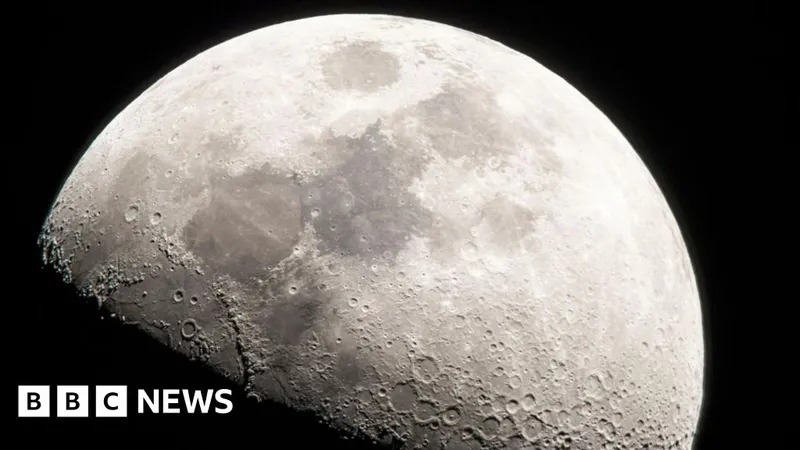
Nasa has outlined its plans to establish a permanent base on the Moon, detailing the use of robotic landers and drones. The initiative is part of a broader effort to return humans to the lunar surface by 2028, amid competition with China. While Nasa aims for a base by 2032, experts express skepticism about the feasibility of the timeline given existing challenges.
- ▪Nasa plans to send robotic landers and drones to the Moon as part of its lunar base initiative.
- ▪The US aims to return humans to the Moon by 2028, competing with China's lunar ambitions.
- ▪Nasa's timeline for establishing a permanent base by 2032 is considered unrealistic by many experts.
3 outlets in our directory ran this story, first to last over 2 hours. All of the coverage we found sits in one bucket: centre. That one-sidedness is itself worth noticing.
- ▪ NASA takes steps toward building Moon Base, including discussing a "perimeter" — Ars Technica
- ▪ Watch: Nasa shows renderings for planned permanent moon base — BBC News — Science
BBC News — World publishes from United Kingdom and files mainly under world. We currently carry 644 of its stories.
Story provenance
Source · retrieval · rights · ranking — open for full record
inspect →
Story provenance
Attribution is not the same as permission. This drawer separates discovery metadata, excerpts, WeSearch-generated summaries, reuse status, and whether the publisher receives the visit. Nothing here claims a legal grant the publisher has not made.
Record
| Original publisher | BBC News |
| Canonical URL | https://www.bbc.com/news/articles/c39228nxyr4o?at_medium=RSS&at_campaign=rss |
| Publication time | Tue, 26 May 2026 20:25:50 GMT |
| Retrieval time | 2026-05-26T20:27:54.119Z |
| Last seen | 2026-05-26T20:34:04.319Z |
| Headline source | Publisher (no WeSearch rewrite) |
| Excerpt source | publisher body |
| Excerpt method | First ~120 words (~800 chars) of extracted publisher body, fair-use limited. |
| Summary | WeSearch · cerebras-chat (WeSearch summarizer) |
| Summary source text | contentText |
| Citation coverage | Summary is a WeSearch-generated derivative; primary citation is the original publisher URL. |
| Cluster | mlwQAiZgxLbc · 3 stories |
| Cluster logic | Grouped by semantic title/content similarity across sources within a rolling window. Same-publisher template collisions are excluded from coverage comparison. |
| Ranking reason | Story pages are not engagement-ranked. Hub feeds use recency, with optional source-diversified chronological ordering (cap consecutive stories per source). No personalized ranking. |
| Publisher visit | Yes — open original |
| Substitutes article? | No — link-out required for full text |
Rights status (four layers)
WeSearch handling by dimension
| Indexing | May the item be indexed (stored, ranked, made findable)? | Allowed |
| Snippet | May a short excerpt of the publisher's text be shown? | Allowed |
| AI summary | May WeSearch generate its own short summary of the article? | Limited |
| Retrieval / RAG | May the content be exposed for third-party retrieval-augmented generation? | Not asserted |
| Model training | May the content be used to train AI models? | Not asserted |
| Commercial reuse | May the content be reused commercially? | Not permitted |
Basis: Derived from the published RSS/Atom feed. Contact: [email protected]. Reviewed: 2026-07-24.
Opening excerpt (first ~120 words) tap to expand
Nasa unveils next steps to build permanent Moon baseJust nowShareSaveAdd as preferred on GoogleGeorgina RannardScience reporterGetty ImagesNasa has released details of robotic landers, hopping drones and vehicles it aims to send to the Moon as part of US plans to build a lunar base.Amazon founder Jeff Bezos's space company Blue Origin is one of several companies picked to build the machines.The US wants to land Americans back on the Moon before President Donald Trump leaves office in 2028.But Nasa is competing with China to returns humans to the lunar surface, meaning the space agency is under pressure to appear to be winning the new space race.China is forging ahead with its own plans to land humans on the Moon by 2030.
…
Excerpt limited to ~120 words for fair-use compliance. The full article is at BBC News.
Discussion
0 commentsMore from BBC News


