Popular GLP-1 weight-loss drugs linked to lower risks of addiction and overdose
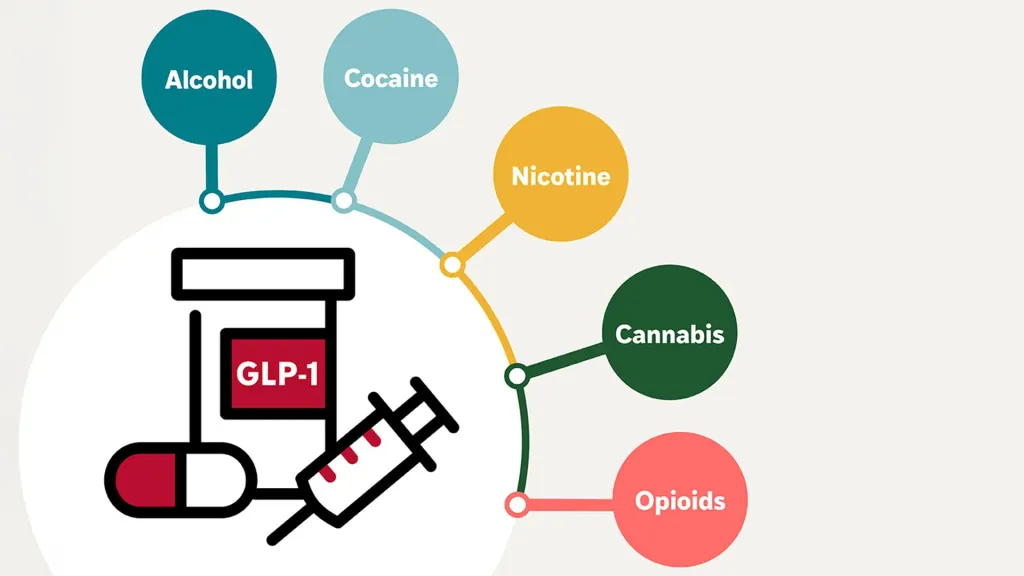
A recent study suggests that GLP-1 weight-loss drugs may reduce the risks of addiction and overdose among users. Researchers found that these medications, originally developed for diabetes management, are linked to lower rates of substance use disorders and serious health outcomes. The findings indicate that GLP-1 drugs could play a significant role in both preventing and treating addiction across various substances.
- ▪The study analyzed health records from over 600,000 U.S. veterans.
- ▪Participants taking GLP-1 medications had a 14% lower risk of developing substance use disorders.
- ▪Among those with existing substance use disorders, GLP-1 users experienced a 40% reduction in overdoses.
ScienceDaily files mainly under science. We currently carry 84 of its stories.
Story provenance
Source · retrieval · rights · ranking — open for full record
inspect →
Story provenance
Attribution is not the same as permission. This drawer separates discovery metadata, excerpts, WeSearch-generated summaries, reuse status, and whether the publisher receives the visit. Nothing here claims a legal grant the publisher has not made.
Record
| Original publisher | ScienceDaily |
| Canonical URL | https://www.sciencedaily.com/releases/2026/06/260603023919.htm |
| Publication time | Wed, 03 Jun 2026 10:04:58 EDT |
| Retrieval time | 2026-06-03T14:07:09.172Z |
| Last seen | 2026-06-03T14:07:09.172Z |
| Headline source | Publisher (no WeSearch rewrite) |
| Excerpt source | publisher body |
| Excerpt method | First ~120 words (~800 chars) of extracted publisher body, fair-use limited. |
| Summary | WeSearch · cerebras-chat (WeSearch summarizer) |
| Summary source text | contentText |
| Citation coverage | Summary is a WeSearch-generated derivative; primary citation is the original publisher URL. |
| Cluster | ZHLc-85FHXUP |
| Cluster logic | Grouped by semantic title/content similarity across sources within a rolling window. Same-publisher template collisions are excluded from coverage comparison. |
| Ranking reason | Story pages are not engagement-ranked. Hub feeds use recency, with optional source-diversified chronological ordering (cap consecutive stories per source). No personalized ranking. |
| Publisher visit | Yes — open original |
| Substitutes article? | No — link-out required for full text |
Rights status (four layers)
WeSearch handling by dimension
| Indexing | May the item be indexed (stored, ranked, made findable)? | Allowed |
| Snippet | May a short excerpt of the publisher's text be shown? | Allowed |
| AI summary | May WeSearch generate its own short summary of the article? | Limited |
| Retrieval / RAG | May the content be exposed for third-party retrieval-augmented generation? | Not asserted |
| Model training | May the content be used to train AI models? | Not asserted |
| Commercial reuse | May the content be reused commercially? | Not permitted |
Basis: Derived from the published RSS/Atom feed. Contact: [email protected]. Reviewed: 2026-07-24.
Opening excerpt (first ~120 words) tap to expand
Science News from research organizations Popular GLP-1 weight-loss drugs linked to lower risks of addiction and overdose Popular weight-loss drugs may also help silence the cravings behind addiction, reducing risks across alcohol, nicotine, opioids, and other substances. Date: June 3, 2026 Source: WashU Medicine Summary: A massive study of more than 600,000 U.S. veterans suggests that popular GLP-1 drugs such as semaglutide may do far more than help with diabetes and weight loss—they could also fight addiction itself.
…
Excerpt limited to ~120 words for fair-use compliance. The full article is at ScienceDaily.
Discussion
0 commentsMore from ScienceDaily