Satellites May Be Driving a Concerning New Form of Atmospheric Pollution
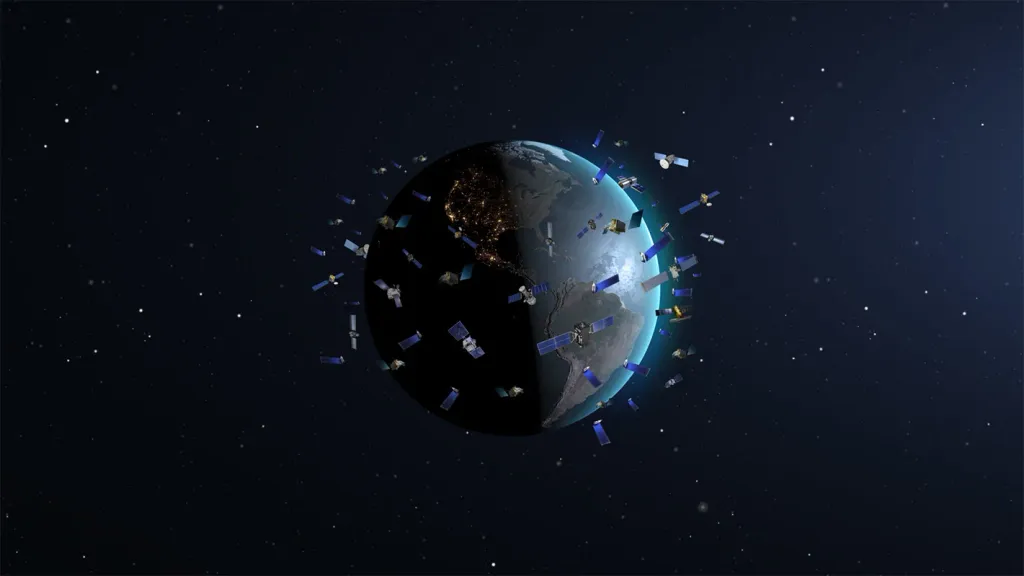
Researchers from University College London have identified satellites as a significant source of atmospheric pollution, with a climate impact 500 times greater than ground emissions. The study highlights that pollution from satellite launches and reentries is accumulating in the upper atmosphere, potentially blocking sunlight. By the end of the decade, nearly half of this pollution is expected to come from satellite megaconstellations launched since 2019.
- ▪Satellites contribute to atmospheric pollution primarily through rocket launches rather than their own exhaust.
- ▪Carbon soot from discarded rocket bodies and dead satellites has a long atmospheric lifespan, leading to a greater environmental impact.
- ▪By 2029, megaconstellations are projected to account for 42% of the climate impact from satellite-related pollution.
Hacker News (Newest) files mainly under programming. We currently carry 5,306 of its stories.
Story provenance
Source · retrieval · rights · ranking — open for full record
inspect →
Story provenance
Attribution is not the same as permission. This drawer separates discovery metadata, excerpts, WeSearch-generated summaries, reuse status, and whether the publisher receives the visit. Nothing here claims a legal grant the publisher has not made.
Record
| Original publisher | The Debrief |
| Canonical URL | https://thedebrief.org/satellites-may-be-driving-a-concerning-new-form-of-atmospheric-pollution-experts-warn/ |
| Publication time | Mon, 18 May 2026 09:21:34 +0000 |
| Retrieval time | 2026-05-18T09:34:56.158Z |
| Last seen | 2026-05-18T09:34:56.158Z |
| Headline source | Publisher (no WeSearch rewrite) |
| Excerpt source | publisher body |
| Excerpt method | First ~120 words (~800 chars) of extracted publisher body, fair-use limited. |
| Summary | WeSearch · cerebras-chat (WeSearch summarizer) |
| Summary source text | contentText |
| Citation coverage | Summary is a WeSearch-generated derivative; primary citation is the original publisher URL. |
| Cluster | G7rviA-9FFV8 |
| Cluster logic | Grouped by semantic title/content similarity across sources within a rolling window. Same-publisher template collisions are excluded from coverage comparison. |
| Ranking reason | Story pages are not engagement-ranked. Hub feeds use recency, with optional source-diversified chronological ordering (cap consecutive stories per source). No personalized ranking. |
| Publisher visit | Yes — open original |
| Substitutes article? | No — link-out required for full text |
Rights status (four layers)
WeSearch handling by dimension
| Indexing | May the item be indexed (stored, ranked, made findable)? | Allowed |
| Snippet | May a short excerpt of the publisher's text be shown? | Allowed |
| AI summary | May WeSearch generate its own short summary of the article? | Limited |
| Retrieval / RAG | May the content be exposed for third-party retrieval-augmented generation? | Not asserted |
| Model training | May the content be used to train AI models? | Not asserted |
| Commercial reuse | May the content be reused commercially? | Not permitted |
Basis: Derived from the published RSS/Atom feed. Contact: [email protected]. Reviewed: 2026-07-24.
Opening excerpt (first ~120 words) tap to expand
Satellites are creating a massive pollution problem, according to University College London researchers, who say the growing atmospheric carbon source has a 500 times greater climate impact than ground-based emissions, potentially blocking the Sun. In a recent paper published in the journal Earth’s Future, researchers demonstrate that satellites are driving a significant rise in upper-atmosphere pollution, raising concerns related to the ongoing climate crisis. By the end of this decade, almost half of this pollution will come from satellite megaconstellations launched since 2019, the researchers claim.
…
Excerpt limited to ~120 words for fair-use compliance. The full article is at The Debrief.
Discussion
0 commentsMore from The Debrief