Scientists discover massive natural hydrogen source beneath Canada
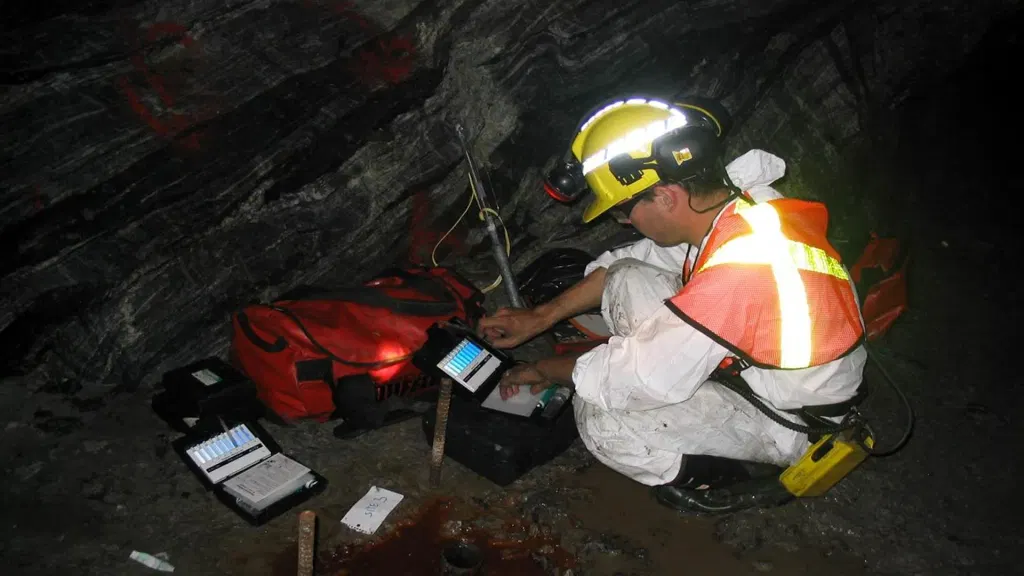
Scientists have discovered a significant natural source of hydrogen gas beneath Canada, specifically in ancient rocks of the Canadian Shield. This hydrogen, referred to as 'white hydrogen,' could serve as a clean energy source for industries and communities, potentially reducing carbon emissions. The findings suggest that this resource may provide a domestic, cost-effective energy option while decreasing reliance on fossil fuels.
- ▪Researchers measured hydrogen escaping from billion-year-old rocks in Ontario, revealing a continuous flow of gas.
- ▪The study estimates that the hydrogen output from nearly 15,000 boreholes could exceed 140 tonnes annually, enough to power over 400 homes.
- ▪Natural hydrogen production occurs through chemical reactions between rocks and groundwater, making Canada a prime location for this resource.
ScienceDaily files mainly under science. We currently carry 84 of its stories.
Story provenance
Source · retrieval · rights · ranking — open for full record
inspect →
Story provenance
Attribution is not the same as permission. This drawer separates discovery metadata, excerpts, WeSearch-generated summaries, reuse status, and whether the publisher receives the visit. Nothing here claims a legal grant the publisher has not made.
Record
| Original publisher | ScienceDaily |
| Canonical URL | https://www.sciencedaily.com/releases/2026/05/260519224317.htm |
| Publication time | Wed, 20 May 2026 08:46:14 EDT |
| Retrieval time | 2026-05-20T13:10:02.546Z |
| Last seen | 2026-05-20T13:10:02.546Z |
| Headline source | Publisher (no WeSearch rewrite) |
| Excerpt source | publisher body |
| Excerpt method | First ~120 words (~800 chars) of extracted publisher body, fair-use limited. |
| Summary | WeSearch · cerebras-chat (WeSearch summarizer) |
| Summary source text | contentText |
| Citation coverage | Summary is a WeSearch-generated derivative; primary citation is the original publisher URL. |
| Cluster | 6VhaLdlG063X |
| Cluster logic | Grouped by semantic title/content similarity across sources within a rolling window. Same-publisher template collisions are excluded from coverage comparison. |
| Ranking reason | Story pages are not engagement-ranked. Hub feeds use recency, with optional source-diversified chronological ordering (cap consecutive stories per source). No personalized ranking. |
| Publisher visit | Yes — open original |
| Substitutes article? | No — link-out required for full text |
Rights status (four layers)
WeSearch handling by dimension
| Indexing | May the item be indexed (stored, ranked, made findable)? | Allowed |
| Snippet | May a short excerpt of the publisher's text be shown? | Allowed |
| AI summary | May WeSearch generate its own short summary of the article? | Limited |
| Retrieval / RAG | May the content be exposed for third-party retrieval-augmented generation? | Not asserted |
| Model training | May the content be used to train AI models? | Not asserted |
| Commercial reuse | May the content be reused commercially? | Not permitted |
Basis: Derived from the published RSS/Atom feed. Contact: [email protected]. Reviewed: 2026-07-24.
Opening excerpt (first ~120 words) tap to expand
Science News from research organizations Scientists discover massive natural hydrogen source beneath Canada Date: May 20, 2026 Source: University of Toronto Summary: Scientists in Canada have discovered that ancient underground rocks are naturally producing hydrogen gas — and lots of it. Measurements from mine boreholes in Ontario show the gas can flow continuously for years, offering a potential new source of clean energy called “white hydrogen.” Researchers say this hidden resource could help power industries and remote communities while cutting carbon emissions and reducing dependence on fossil fuels.
…
Excerpt limited to ~120 words for fair-use compliance. The full article is at ScienceDaily.
Discussion
0 commentsMore from ScienceDaily