The AI Era Is Creating a Bug Hunting Arms Race
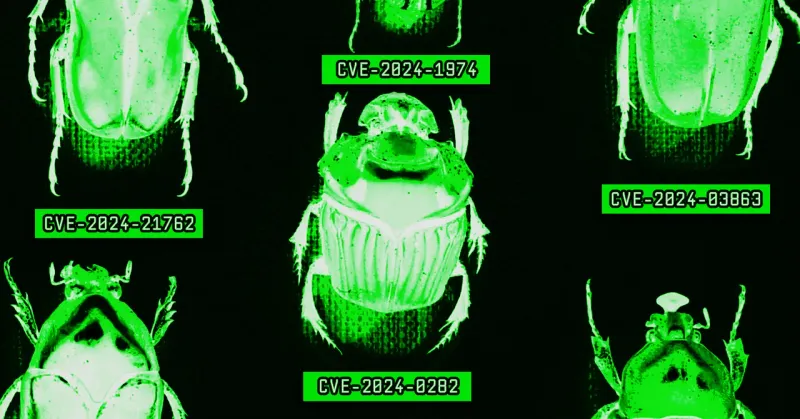
The rise of AI is transforming the landscape of software vulnerability discovery and exploitation. As AI models become more capable, both researchers and attackers are adapting to a rapidly changing environment. This shift is leading to increased bug submissions and potentially higher payouts for bug bounties, while also pressuring organizations to expedite their patching processes.
- ▪AI models are becoming adept at identifying software vulnerabilities and developing exploits.
- ▪Independent security researcher Joseph Thacker noted a significant increase in bug submissions compared to last year.
- ▪The urgency of real-world attacks facilitated by AI is growing, prompting organizations to improve their vulnerability fix deployment.
WIRED files mainly under tech. We currently carry 597 of its stories.
Story provenance
Source · retrieval · rights · ranking — open for full record
inspect →
Story provenance
Attribution is not the same as permission. This drawer separates discovery metadata, excerpts, WeSearch-generated summaries, reuse status, and whether the publisher receives the visit. Nothing here claims a legal grant the publisher has not made.
Record
| Original publisher | WIRED |
| Canonical URL | https://www.wired.com/story/the-ai-era-is-creating-a-bug-hunting-arms-race/ |
| Publication time | Mon, 25 May 2026 10:30:00 +0000 |
| Retrieval time | 2026-05-25T10:37:36.650Z |
| Last seen | 2026-05-25T10:51:26.263Z |
| Headline source | Publisher (no WeSearch rewrite) |
| Excerpt source | publisher body |
| Excerpt method | First ~120 words (~800 chars) of extracted publisher body, fair-use limited. |
| Summary | WeSearch · cerebras-chat (WeSearch summarizer) |
| Summary source text | contentText |
| Citation coverage | Summary is a WeSearch-generated derivative; primary citation is the original publisher URL. |
| Cluster | g98VXHuegb5H |
| Cluster logic | Grouped by semantic title/content similarity across sources within a rolling window. Same-publisher template collisions are excluded from coverage comparison. |
| Ranking reason | Story pages are not engagement-ranked. Hub feeds use recency, with optional source-diversified chronological ordering (cap consecutive stories per source). No personalized ranking. |
| Publisher visit | Yes — open original |
| Substitutes article? | No — link-out required for full text |
Rights status (four layers)
WeSearch handling by dimension
| Indexing | May the item be indexed (stored, ranked, made findable)? | Allowed |
| Snippet | May a short excerpt of the publisher's text be shown? | Allowed |
| AI summary | May WeSearch generate its own short summary of the article? | Limited |
| Retrieval / RAG | May the content be exposed for third-party retrieval-augmented generation? | Not asserted |
| Model training | May the content be used to train AI models? | Not asserted |
| Commercial reuse | May the content be reused commercially? | Not permitted |
Basis: Derived from the published RSS/Atom feed. Contact: [email protected]. Reviewed: 2026-07-24.
Opening excerpt (first ~120 words) tap to expand
Lily Hay NewmanSecurityMay 25, 2026 6:30 AMThe AI Era Is Creating a Bug Hunting Arms RaceAs attackers ramp up their AI exploit development, the search for software vulnerabilities is changing rapidly.Photo-Illustration: Skye Battles; Getty ImagesCommentLoaderSave StorySave this storyCommentLoaderSave StorySave this storyA decade ago, programs to reward researchers for submitting software vulnerability findings were just starting to go mainstream. Vulnerability disclosure and “bug bounty” programs represented a paradigm shift years in the making—moving institutions from hostility and defensiveness about security research findings to acknowledgement that receiving input and releasing fixes was necessary. When Apple finally announced a bug bounty in 2016, the top reward was $200,000.
…
Excerpt limited to ~120 words for fair-use compliance. The full article is at WIRED.
Discussion
0 commentsMore from WIRED


.jpg&w=320)