The Sun Blasted a Mysterious Radio Signal for 19 Straight Days. Here’s What We Know
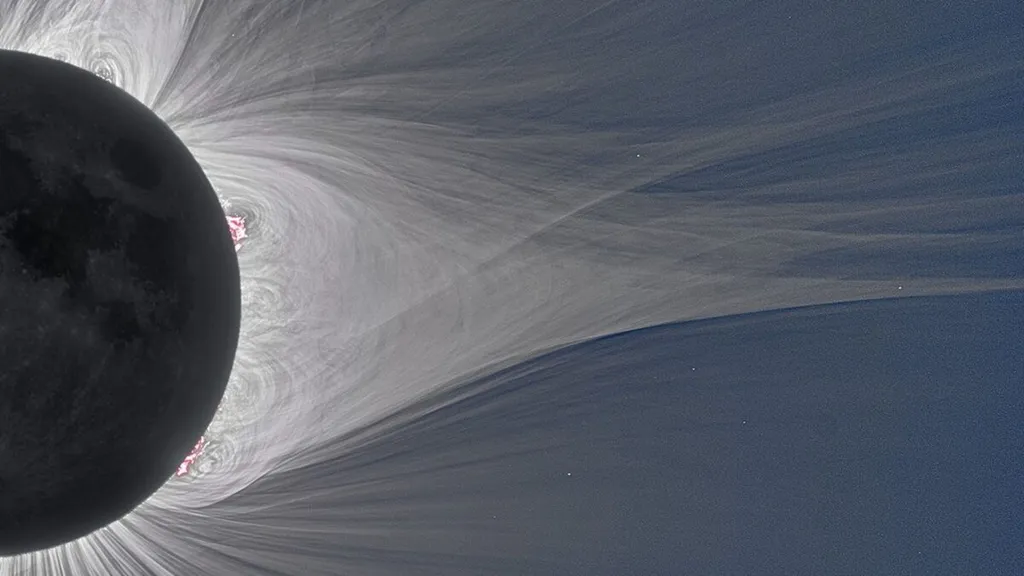
A recent solar event has set a new record for the longest-lasting radio burst, lasting 19 days. This burst was analyzed by a team of researchers using data from four NASA missions, which helped identify its source. The findings could enhance our understanding of space weather and its potential impacts on satellites and spacecraft.
- ▪The solar radio burst lasted for a total of 19 days, surpassing the previous record of five days.
- ▪The event was first observed by the Solar Orbiter and later by NASA's Parker Solar Probe, Wind, and STEREO-A.
- ▪The burst is categorized as a Type IV solar radio burst, likely caused by electrons trapped in magnetic loops in the Sun's corona.
Gizmodo files mainly under tech. We currently carry 700 of its stories.
Story provenance
Source · retrieval · rights · ranking — open for full record
inspect →
Story provenance
Attribution is not the same as permission. This drawer separates discovery metadata, excerpts, WeSearch-generated summaries, reuse status, and whether the publisher receives the visit. Nothing here claims a legal grant the publisher has not made.
Record
| Original publisher | Gizmodo |
| Canonical URL | https://gizmodo.com/nasa-tracked-the-suns-record-breaking-radio-burst-which-lasted-for-19-days-2000760013 |
| Publication time | Tue, 19 May 2026 13:05:20 +0000 |
| Retrieval time | 2026-05-19T13:09:57.594Z |
| Last seen | 2026-05-19T13:09:57.594Z |
| Headline source | Publisher (no WeSearch rewrite) |
| Excerpt source | publisher body |
| Excerpt method | First ~120 words (~800 chars) of extracted publisher body, fair-use limited. |
| Summary | WeSearch · cerebras-chat (WeSearch summarizer) |
| Summary source text | contentText |
| Citation coverage | Summary is a WeSearch-generated derivative; primary citation is the original publisher URL. |
| Cluster | Jh3i5UpbGIPW |
| Cluster logic | Grouped by semantic title/content similarity across sources within a rolling window. Same-publisher template collisions are excluded from coverage comparison. |
| Ranking reason | Story pages are not engagement-ranked. Hub feeds use recency, with optional source-diversified chronological ordering (cap consecutive stories per source). No personalized ranking. |
| Publisher visit | Yes — open original |
| Substitutes article? | No — link-out required for full text |
Rights status (four layers)
WeSearch handling by dimension
| Indexing | May the item be indexed (stored, ranked, made findable)? | Allowed |
| Snippet | May a short excerpt of the publisher's text be shown? | Allowed |
| AI summary | May WeSearch generate its own short summary of the article? | Limited |
| Retrieval / RAG | May the content be exposed for third-party retrieval-augmented generation? | Not asserted |
| Model training | May the content be used to train AI models? | Not asserted |
| Commercial reuse | May the content be reused commercially? | Not permitted |
Basis: Derived from the published RSS/Atom feed. Contact: [email protected]. Reviewed: 2026-07-24.
Opening excerpt (first ~120 words) tap to expand
On August 21, 2025, the Sun emitted what appeared to be a routine burst of radio-wave energy—the kind astronomers observe regularly and expect to fade within hours or days. But this signal refused to disappear. As scientists continued to track it, the burst stretched on far beyond anything previously recorded, ultimately becoming the longest-lasting solar radio burst ever…
Excerpt limited to ~120 words for fair-use compliance. The full article is at Gizmodo.
Discussion
0 commentsMore from Gizmodo