Tumors May Not Develop Randomly Across the Brain — Fruit Flies May Help Explain the Pattern
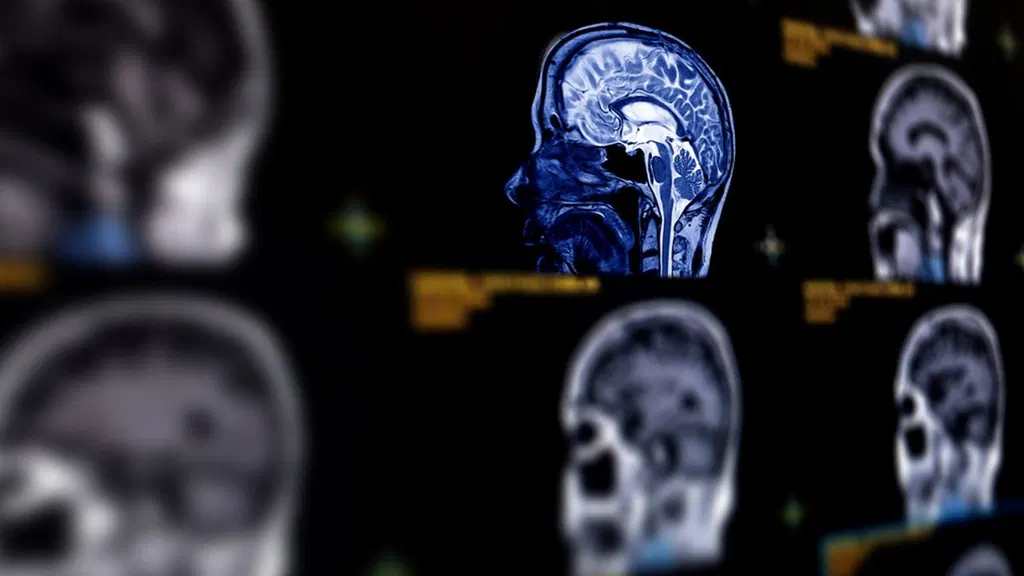
Researchers have discovered that the development of brain tumors may be influenced by the biological environment surrounding damaged cells, rather than being solely determined by genetic mutations. A protein called Chinmo plays a crucial role in this process, as its presence in certain brain regions correlates with tumor formation. This study suggests a shift in understanding cancer, emphasizing the importance of the cellular environment in addition to genetic factors.
- ▪Brain tumors do not appear randomly across the brain, with certain cancers clustering in specific regions.
- ▪The protein Chinmo influences whether abnormal brain cells grow into tumors based on their location in the brain.
- ▪The findings indicate that the developmental environment surrounding a mutated cell can determine its fate, potentially leading to new cancer treatment strategies.
Discover Magazine files mainly under science. We currently carry 86 of its stories.
Story provenance
Source · retrieval · rights · ranking — open for full record
inspect →
Story provenance
Attribution is not the same as permission. This drawer separates discovery metadata, excerpts, WeSearch-generated summaries, reuse status, and whether the publisher receives the visit. Nothing here claims a legal grant the publisher has not made.
Record
| Original publisher | Discover Magazine |
| Canonical URL | https://www.discovermagazine.com/tumors-may-not-develop-randomly-across-the-brain-fruit-flies-may-help-explain-the-pattern-49170 |
| Publication time | Thu, 28 May 2026 21:50:00 GMT |
| Retrieval time | 2026-05-28T21:54:38.344Z |
| Last seen | 2026-05-28T21:54:38.344Z |
| Headline source | Publisher (no WeSearch rewrite) |
| Excerpt source | publisher body |
| Excerpt method | First ~120 words (~800 chars) of extracted publisher body, fair-use limited. |
| Summary | WeSearch · cerebras-chat (WeSearch summarizer) |
| Summary source text | contentText |
| Citation coverage | Summary is a WeSearch-generated derivative; primary citation is the original publisher URL. |
| Cluster | i6n6IVs3oTOL |
| Cluster logic | Grouped by semantic title/content similarity across sources within a rolling window. Same-publisher template collisions are excluded from coverage comparison. |
| Ranking reason | Story pages are not engagement-ranked. Hub feeds use recency, with optional source-diversified chronological ordering (cap consecutive stories per source). No personalized ranking. |
| Publisher visit | Yes — open original |
| Substitutes article? | No — link-out required for full text |
Rights status (four layers)
WeSearch handling by dimension
| Indexing | May the item be indexed (stored, ranked, made findable)? | Allowed |
| Snippet | May a short excerpt of the publisher's text be shown? | Allowed |
| AI summary | May WeSearch generate its own short summary of the article? | Limited |
| Retrieval / RAG | May the content be exposed for third-party retrieval-augmented generation? | Not asserted |
| Model training | May the content be used to train AI models? | Not asserted |
| Commercial reuse | May the content be reused commercially? | Not permitted |
Basis: Derived from the published RSS/Atom feed. Contact: [email protected]. Reviewed: 2026-07-24.
Opening excerpt (first ~120 words) tap to expand
Doctors have noticed for generations that brain tumors do not appear randomly across the brain. Certain cancers cluster in the same regions, from one patient to the next. Although the pattern was obvious, the reason was not.Now, researchers studying the brains of fruit flies think they may have found part of the answer: The fate of a damaged cell may depend not only on the mutation it carries, but also on the biological surroundings it finds itself in.The findings, published this month in the Proceedings of the National Academy of Sciences, point to a single protein that can help decide whether abnormal brain cells grow into tumors or remain contained.
…
Excerpt limited to ~120 words for fair-use compliance. The full article is at Discover Magazine.
Discussion
0 commentsMore from Discover Magazine