Two green-skinned children appeared in a 12th-century English village
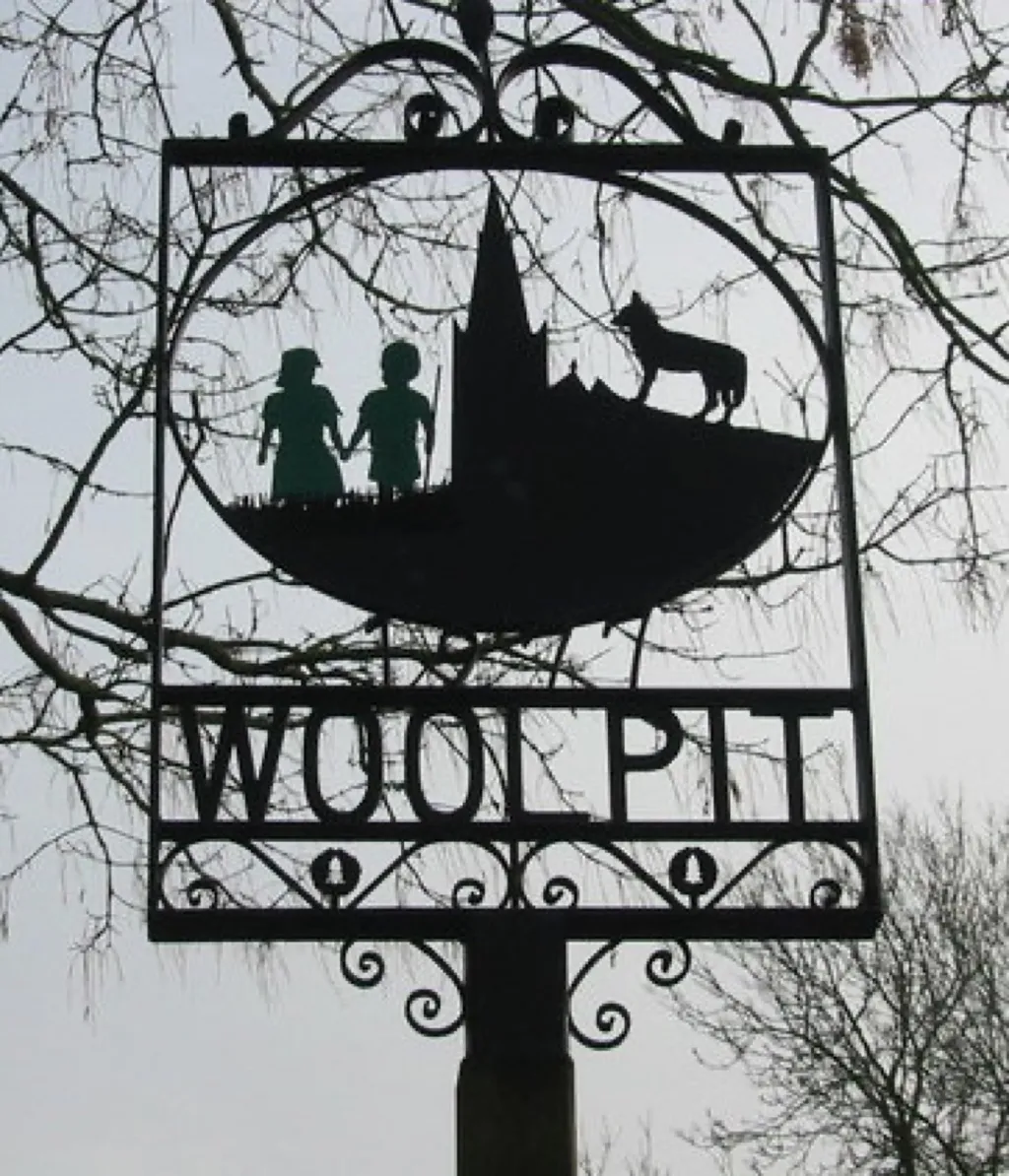
In the 12th century, two green-skinned children appeared in the village of Woolpit, England, claiming to come from a place called Saint Martin's Land. The children spoke an unknown language and initially refused food until they were given raw broad beans, which they consumed eagerly. Historical accounts from medieval writers document their story, with the girl eventually adapting to her new life while the boy tragically died shortly after their baptism.
- ▪The children claimed to come from a land where the sun never rose and everything was in permanent twilight.
- ▪They were discovered near a wolf pit in Suffolk, England, during the reign of King Stephen in the 1150s.
- ▪The girl eventually lost her green color and learned English, while the boy died shortly after baptism.
Boing Boing files mainly under tech. We currently carry 375 of its stories.
Story provenance
Source · retrieval · rights · ranking — open for full record
inspect →
Story provenance
Attribution is not the same as permission. This drawer separates discovery metadata, excerpts, WeSearch-generated summaries, reuse status, and whether the publisher receives the visit. Nothing here claims a legal grant the publisher has not made.
Record
| Original publisher | Boing Boing |
| Canonical URL | https://boingboing.net/2026/05/29/two-green-skinned-children-appeared-in-a-12th-century-english-village.html |
| Publication time | Fri, 29 May 2026 17:31:25 +0000 |
| Retrieval time | 2026-05-29T17:55:02.441Z |
| Last seen | 2026-05-29T17:55:02.441Z |
| Headline source | Publisher (no WeSearch rewrite) |
| Excerpt source | publisher body |
| Excerpt method | First ~120 words (~800 chars) of extracted publisher body, fair-use limited. |
| Summary | WeSearch · cerebras-chat (WeSearch summarizer) |
| Summary source text | contentText |
| Citation coverage | Summary is a WeSearch-generated derivative; primary citation is the original publisher URL. |
| Cluster | codEj8-V5Kfg |
| Cluster logic | Grouped by semantic title/content similarity across sources within a rolling window. Same-publisher template collisions are excluded from coverage comparison. |
| Ranking reason | Story pages are not engagement-ranked. Hub feeds use recency, with optional source-diversified chronological ordering (cap consecutive stories per source). No personalized ranking. |
| Publisher visit | Yes — open original |
| Substitutes article? | No — link-out required for full text |
Rights status (four layers)
WeSearch handling by dimension
| Indexing | May the item be indexed (stored, ranked, made findable)? | Allowed |
| Snippet | May a short excerpt of the publisher's text be shown? | Allowed |
| AI summary | May WeSearch generate its own short summary of the article? | Limited |
| Retrieval / RAG | May the content be exposed for third-party retrieval-augmented generation? | Not asserted |
| Model training | May the content be used to train AI models? | Not asserted |
| Commercial reuse | May the content be reused commercially? | Not permitted |
Basis: Derived from the published RSS/Atom feed. Contact: [email protected]. Reviewed: 2026-07-24.
Opening excerpt (first ~120 words) tap to expand
Two green-skinned children appeared in a 12th-century English village Mark Frauenfelder 10:31 am Fri May 29, 2026 By Rod Bacon - This file was derived from: The "green children" of Woolpit on the village sign - geograph.org.uk - 1161413.jpg, CC BY-SA 2.0, Link The girl said she came from a place called Saint Martin's Land, where the sun never rose, and everything sat in permanent twilight. She and a younger boy had been herding cattle, heard a sound like the bells of a great church echoing across the fields, and then found themselves standing by a wolf pit in Suffolk, England. Their skin was green. King Stephen sat on the English throne, placing this in the 1150s, near the village of Woolpit (named for the wolf pits dug to trap wolves).
…
Excerpt limited to ~120 words for fair-use compliance. The full article is at Boing Boing.
Discussion
0 commentsMore from Boing Boing