Warming Waters are Forcing Cold Water Fish Into New Territories — and It Could Spell Trouble For Marine Ecosystems
Rising ocean temperatures are causing fish species to migrate to cooler waters, impacting marine ecosystems. This shift is particularly evident during reproduction periods, leading to potential winners and losers among species. Scientists warn that curbing carbon emissions is crucial to mitigate these changes and protect marine life.
- ▪Ocean temperatures have risen significantly over the past 50 years, with 2023 and 2024 recording the warmest global ocean temperatures on record.
- ▪Fish species are migrating to cooler waters, particularly during reproduction, which can lead to changes in local populations.
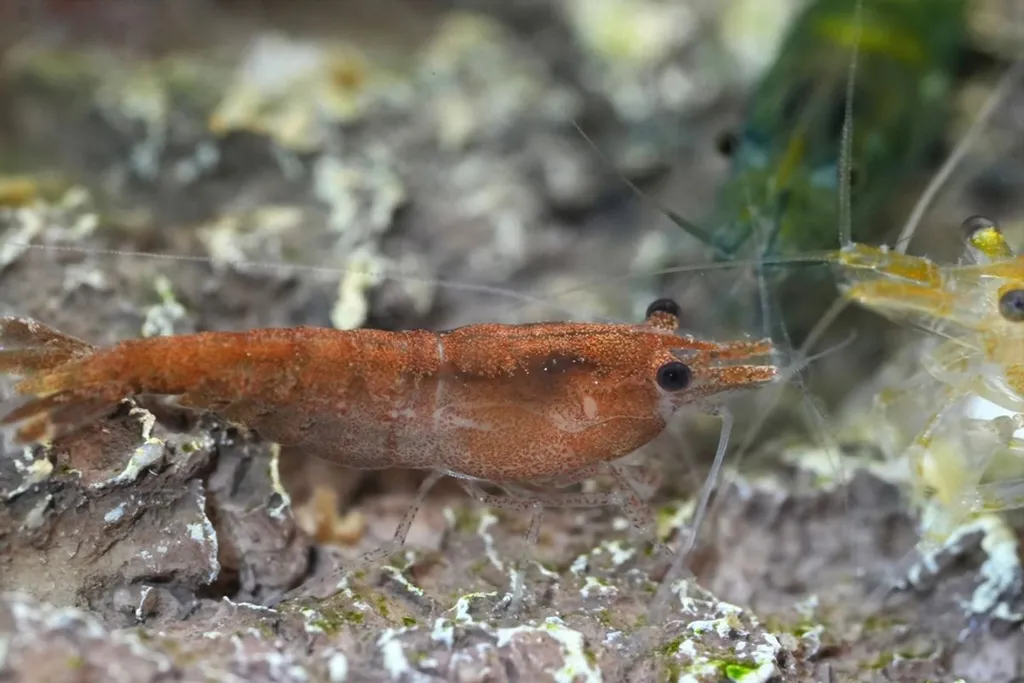
- ▪In the Gulf of Maine, the migration of longfin squid is negatively impacting the local northern shrimp population.
Discover Magazine files mainly under science. We currently carry 86 of its stories.
Story provenance
Source · retrieval · rights · ranking — open for full record
inspect →
Story provenance
Attribution is not the same as permission. This drawer separates discovery metadata, excerpts, WeSearch-generated summaries, reuse status, and whether the publisher receives the visit. Nothing here claims a legal grant the publisher has not made.
Record
| Original publisher | Discover Magazine |
| Canonical URL | https://www.discovermagazine.com/warming-waters-are-forcing-cold-water-fish-into-new-territories-and-it-could-spell-trouble-for-marine-ecosystems-49144 |
| Publication time | Mon, 25 May 2026 21:00:00 GMT |
| Retrieval time | 2026-05-25T21:07:40.563Z |
| Last seen | 2026-05-25T21:07:40.563Z |
| Headline source | Publisher (no WeSearch rewrite) |
| Excerpt source | publisher body |
| Excerpt method | First ~120 words (~800 chars) of extracted publisher body, fair-use limited. |
| Summary | WeSearch · cerebras-chat (WeSearch summarizer) |
| Summary source text | contentText |
| Citation coverage | Summary is a WeSearch-generated derivative; primary citation is the original publisher URL. |
| Cluster | 6tGnHf_YV39V |
| Cluster logic | Grouped by semantic title/content similarity across sources within a rolling window. Same-publisher template collisions are excluded from coverage comparison. |
| Ranking reason | Story pages are not engagement-ranked. Hub feeds use recency, with optional source-diversified chronological ordering (cap consecutive stories per source). No personalized ranking. |
| Publisher visit | Yes — open original |
| Substitutes article? | No — link-out required for full text |
Rights status (four layers)
WeSearch handling by dimension
| Indexing | May the item be indexed (stored, ranked, made findable)? | Allowed |
| Snippet | May a short excerpt of the publisher's text be shown? | Allowed |
| AI summary | May WeSearch generate its own short summary of the article? | Limited |
| Retrieval / RAG | May the content be exposed for third-party retrieval-augmented generation? | Not asserted |
| Model training | May the content be used to train AI models? | Not asserted |
| Commercial reuse | May the content be reused commercially? | Not permitted |
Basis: Derived from the published RSS/Atom feed. Contact: [email protected]. Reviewed: 2026-07-24.
Opening excerpt (first ~120 words) tap to expand
Ocean temperatures are rising, and fish species are migrating to adapt to warmer waters, according to a report in the Annual Review of Marine Science. Almost all of the increase in oceanic temperature changes has occurred in the past 50 years, according to the National Oceanic and Atmospheric Administration (NOAA). In 2023, the global ocean temperature was the warmest on record. But in 2024, temperatures increased, and the record was broken for the second year in a row, according to State of the Climate, a special report by the American Meteorological Society. Many fish simply can’t handle the heat.“Marine species are very temperature sensitive, more so than what we see on land,” James W.
…
Excerpt limited to ~120 words for fair-use compliance. The full article is at Discover Magazine.
Discussion
0 commentsMore from Discover Magazine