Brain "Bypass" Technology Could Transform Treatment for Neurological Disorders
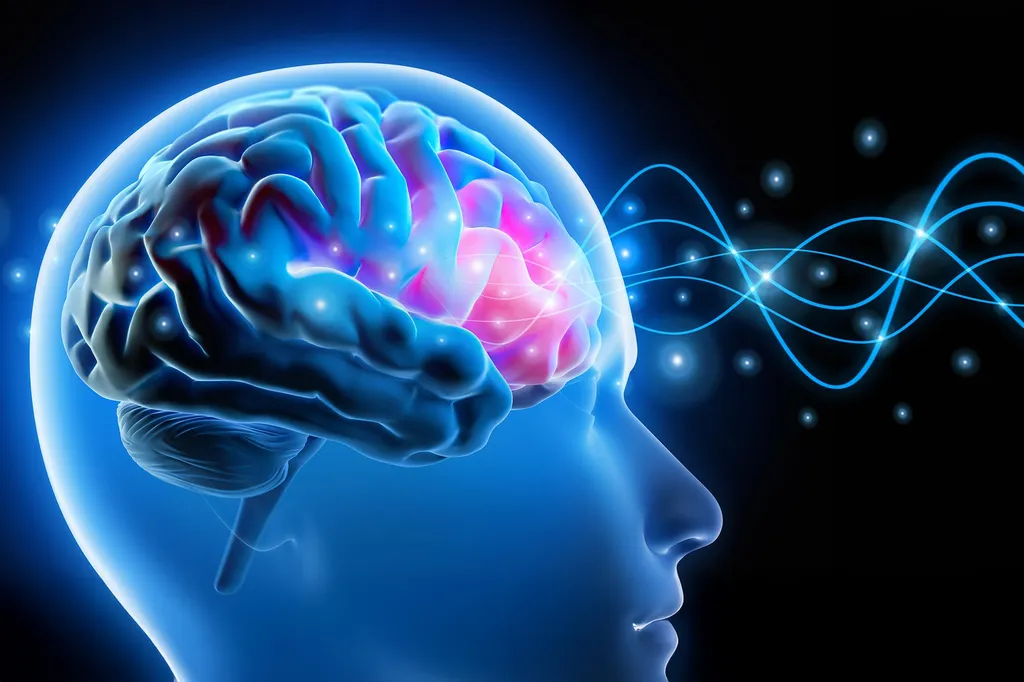
Researchers have developed a new technology called LinCx that creates customizable electrical connections between neurons. This innovation could provide alternative treatment strategies for neurological disorders caused by damaged brain circuits. The method has shown promising results in altering behavior and brain activity patterns in laboratory tests with worms and mice.
- ▪LinCx allows scientists to build new electrical connections between selected neurons with high precision.
- ▪The technology creates a new electrical 'bypass' between specific neurons, improving communication without altering existing brain connections.
- ▪Experiments demonstrated that engineered electrical links strengthened communication in targeted circuits and influenced behaviors related to stress and social interaction.
Hacker News (Newest) files mainly under programming. We currently carry 5,306 of its stories.
Story provenance
Source · retrieval · rights · ranking — open for full record
inspect →
Story provenance
Attribution is not the same as permission. This drawer separates discovery metadata, excerpts, WeSearch-generated summaries, reuse status, and whether the publisher receives the visit. Nothing here claims a legal grant the publisher has not made.
Record
| Original publisher | SciTechDaily |
| Canonical URL | https://scitechdaily.com/new-brain-bypass-technology-could-transform-treatment-for-neurological-disorders/ |
| Publication time | Tue, 19 May 2026 07:29:10 +0000 |
| Retrieval time | 2026-05-19T07:34:57.437Z |
| Last seen | 2026-05-19T07:34:57.437Z |
| Headline source | Publisher (no WeSearch rewrite) |
| Excerpt source | publisher body |
| Excerpt method | First ~120 words (~800 chars) of extracted publisher body, fair-use limited. |
| Summary | WeSearch · cerebras-chat (WeSearch summarizer) |
| Summary source text | contentText |
| Citation coverage | Summary is a WeSearch-generated derivative; primary citation is the original publisher URL. |
| Cluster | RdbK7iX67mJM |
| Cluster logic | Grouped by semantic title/content similarity across sources within a rolling window. Same-publisher template collisions are excluded from coverage comparison. |
| Ranking reason | Story pages are not engagement-ranked. Hub feeds use recency, with optional source-diversified chronological ordering (cap consecutive stories per source). No personalized ranking. |
| Publisher visit | Yes — open original |
| Substitutes article? | No — link-out required for full text |
Rights status (four layers)
WeSearch handling by dimension
| Indexing | May the item be indexed (stored, ranked, made findable)? | Allowed |
| Snippet | May a short excerpt of the publisher's text be shown? | Allowed |
| AI summary | May WeSearch generate its own short summary of the article? | Limited |
| Retrieval / RAG | May the content be exposed for third-party retrieval-augmented generation? | Not asserted |
| Model training | May the content be used to train AI models? | Not asserted |
| Commercial reuse | May the content be reused commercially? | Not permitted |
Basis: Derived from the published RSS/Atom feed. Contact: [email protected]. Reviewed: 2026-07-24.
Opening excerpt (first ~120 words) tap to expand
Share Facebook Twitter LinkedIn Pinterest Telegram Email Reddit Researchers have engineered proteins that act like customizable electrical bridges inside the brain, enabling targeted communication between specific neurons. In worms and mice, the system altered behavior and brain-wide activity patterns, offering a glimpse into how scientists may one day reprogram faulty neural networks. Credit: ShutterstockA new technology called LinCx allows scientists to create custom electrical connections between neurons with high precision. Researchers say it may help treat disorders caused by damaged brain circuits.Damage to brain circuits plays a major role in many neurological disorders.
…
Excerpt limited to ~120 words for fair-use compliance. The full article is at SciTechDaily.
Discussion
0 commentsMore from SciTechDaily