Stolen Ukrainian grain is Africa’s food security concern too
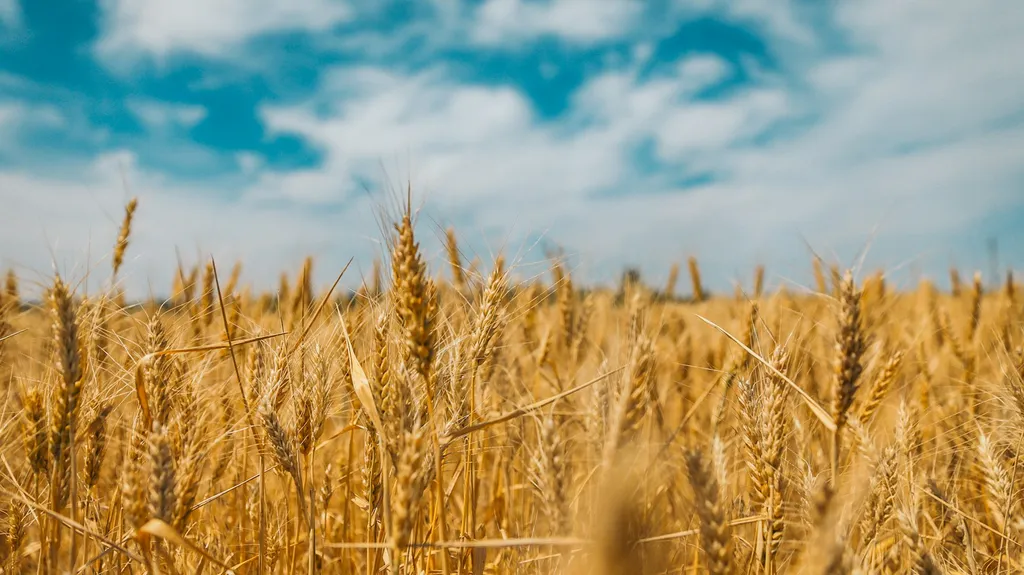
The theft of Ukrainian grain has significant implications for food security in Africa. As Ukraine continues to export agricultural products despite the ongoing conflict, the removal of grain from occupied territories raises concerns about the integrity of global food supply chains. This situation highlights the interconnectedness of food security and legal transparency, affecting nations far beyond Ukraine's borders.
- ▪Ukrainian authorities report that over two million tonnes of grain were removed from occupied territories in 2025.
- ▪From January to April 2025, 25 vessels made about 50 voyages from closed ports in occupied Ukraine, transporting over 850,000 tonnes of grain.
- ▪The vessel ASOMATOS unloaded 26,900 tonnes of Ukrainian wheat in Egypt despite Ukrainian warnings and requests for legal action.
Mail & Guardian publishes from South Africa and files mainly under world. We currently carry 6 of its stories.
Story provenance
Source · retrieval · rights · ranking — open for full record
inspect →
Story provenance
Attribution is not the same as permission. This drawer separates discovery metadata, excerpts, WeSearch-generated summaries, reuse status, and whether the publisher receives the visit. Nothing here claims a legal grant the publisher has not made.
Record
| Original publisher | The Mail & Guardian |
| Canonical URL | https://mg.co.za/the-diplomat/2026-06-05-stolen-ukrainian-grain-is-africas-food-security-concern-too/ |
| Publication time | Fri, 05 Jun 2026 16:55:26 +0000 |
| Retrieval time | 2026-06-05T21:48:51.889Z |
| Last seen | 2026-06-05T21:48:51.889Z |
| Headline source | Publisher (no WeSearch rewrite) |
| Excerpt source | publisher body |
| Excerpt method | First ~120 words (~800 chars) of extracted publisher body, fair-use limited. |
| Summary | WeSearch · cerebras-chat (WeSearch summarizer) |
| Summary source text | contentText |
| Citation coverage | Summary is a WeSearch-generated derivative; primary citation is the original publisher URL. |
| Cluster | SL35M9vW3xjd |
| Cluster logic | Grouped by semantic title/content similarity across sources within a rolling window. Same-publisher template collisions are excluded from coverage comparison. |
| Ranking reason | Story pages are not engagement-ranked. Hub feeds use recency, with optional source-diversified chronological ordering (cap consecutive stories per source). No personalized ranking. |
| Publisher visit | Yes — open original |
| Substitutes article? | No — link-out required for full text |
Rights status (four layers)
WeSearch handling by dimension
| Indexing | May the item be indexed (stored, ranked, made findable)? | Allowed |
| Snippet | May a short excerpt of the publisher's text be shown? | Allowed |
| AI summary | May WeSearch generate its own short summary of the article? | Limited |
| Retrieval / RAG | May the content be exposed for third-party retrieval-augmented generation? | Not asserted |
| Model training | May the content be used to train AI models? | Not asserted |
| Commercial reuse | May the content be reused commercially? | Not permitted |
Basis: Derived from the published RSS/Atom feed. Contact: [email protected]. Reviewed: 2026-07-24.
Opening excerpt (first ~120 words) tap to expand
The Diplomat / 5 June 2026 Stolen Ukrainian grain is Africa’s food security concern too By Maria Koval Facebook X Email LinkedIn WhatsApp Behind every shipment of grain there is a farmer, a field, a contract, a port, an insurer and a buyer. When that chain begins with occupation and theft, the damage does not stop at Ukraine’s borders. It affects confidence in maritime trade and creates risks for every country that depends on transparent food supply routes { "@context": "https://schema.org", "@type": "ImageObject", "url": "https://mg.co.za/wp-content/uploads/2026/06/polina-rytova-1dGMs4hhcVA-unsplash.jpg", "width": 1000, "height": 525 } The war in Ukraine might seem far from Pretoria, Johannesburg, Durban and Cape Town.
…
Excerpt limited to ~120 words for fair-use compliance. The full article is at The Mail & Guardian.
Discussion
0 commentsMore from The Mail & Guardian