The Side That Won the Civil War is Now Banning Books About Why the Civil War Was Fought
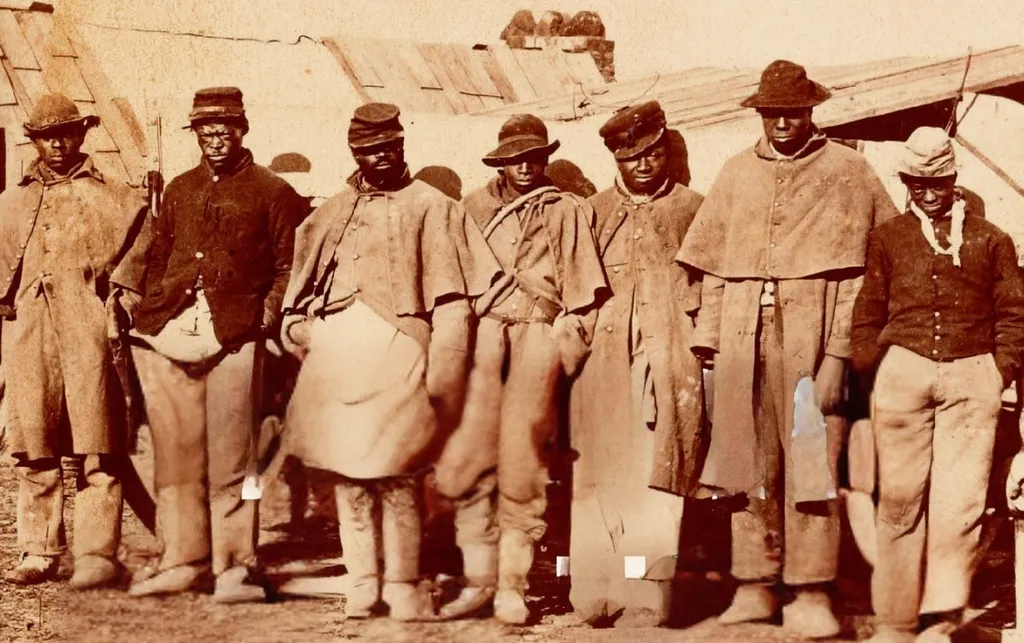
The article discusses the ongoing censorship of literature related to the Civil War and slavery in the United States. It highlights how a recent government order has led to the removal of books and materials that present negative aspects of American history. The author reflects on the irony of their own book being censored despite its hopeful narrative about enslaved people's pursuit of freedom.
- ▪In the past, the South censored literature that portrayed slavery negatively, including banning abolitionist newspapers.
- ▪A recent order by the U.S. government has led to the removal of books related to Black leaders and other materials deemed inappropriate.
- ▪The author's book, which details the role of enslaved people in achieving their freedom, is not available in national park bookstores due to its content.
Literary Hub (LitHub) files mainly under books. We currently carry 79 of its stories.
Story provenance
Source · retrieval · rights · ranking — open for full record
inspect →
Story provenance
Attribution is not the same as permission. This drawer separates discovery metadata, excerpts, WeSearch-generated summaries, reuse status, and whether the publisher receives the visit. Nothing here claims a legal grant the publisher has not made.
Record
| Original publisher | Literary Hub |
| Canonical URL | https://lithub.com/the-side-that-won-the-civil-war-is-now-banning-books-about-why-the-civil-war-was-fought/ |
| Publication time | Wed, 03 Jun 2026 08:59:44 +0000 |
| Retrieval time | 2026-06-03T09:12:00.412Z |
| Last seen | 2026-06-03T09:12:00.412Z |
| Headline source | Publisher (no WeSearch rewrite) |
| Excerpt source | publisher body |
| Excerpt method | First ~120 words (~800 chars) of extracted publisher body, fair-use limited. |
| Summary | WeSearch · cerebras-chat (WeSearch summarizer) |
| Summary source text | contentText |
| Citation coverage | Summary is a WeSearch-generated derivative; primary citation is the original publisher URL. |
| Cluster | MakwOln_-gjm |
| Cluster logic | Grouped by semantic title/content similarity across sources within a rolling window. Same-publisher template collisions are excluded from coverage comparison. |
| Ranking reason | Story pages are not engagement-ranked. Hub feeds use recency, with optional source-diversified chronological ordering (cap consecutive stories per source). No personalized ranking. |
| Publisher visit | Yes — open original |
| Substitutes article? | No — link-out required for full text |
Rights status (four layers)
WeSearch handling by dimension
| Indexing | May the item be indexed (stored, ranked, made findable)? | Allowed |
| Snippet | May a short excerpt of the publisher's text be shown? | Allowed |
| AI summary | May WeSearch generate its own short summary of the article? | Limited |
| Retrieval / RAG | May the content be exposed for third-party retrieval-augmented generation? | Not asserted |
| Model training | May the content be used to train AI models? | Not asserted |
| Commercial reuse | May the content be reused commercially? | Not permitted |
Basis: Derived from the published RSS/Atom feed. Contact: [email protected]. Reviewed: 2026-07-24.
Opening excerpt (first ~120 words) tap to expand
In the days before the Civil War, the South worked hard to censor any literature that cast slavery in a negative light. Officials in Charleston, S.C. went through mailbags for abolitionist newspapers. Legislatures passed laws banning any publication that may show “a tendency to make our slaves discontented.” In Maryland, the Rev. Jacob Gruber was prosecuted for daring to preach a sermon that hinted that slavery might be sinful. Anyone found with a copy of the explosive novel Uncle Tom’s Cabin was subject to arrest.Article continues after advertisement(new Image()).src = 'https://capi.connatix.com/tr/si?token=546998bb-b9c0-4480-8c91-3e307220efff&cid=86b7c382-5e20-4129-84db-dea768f4d688'; cnx.cmd.push(function() { cnx({ playerId: "546998bb-b9c0-4480-8c91-3e307220efff"…
Excerpt limited to ~120 words for fair-use compliance. The full article is at Literary Hub.
Discussion
0 commentsMore from Literary Hub