The brain's code seems to be in constant flux. Neuroscientists are baffled
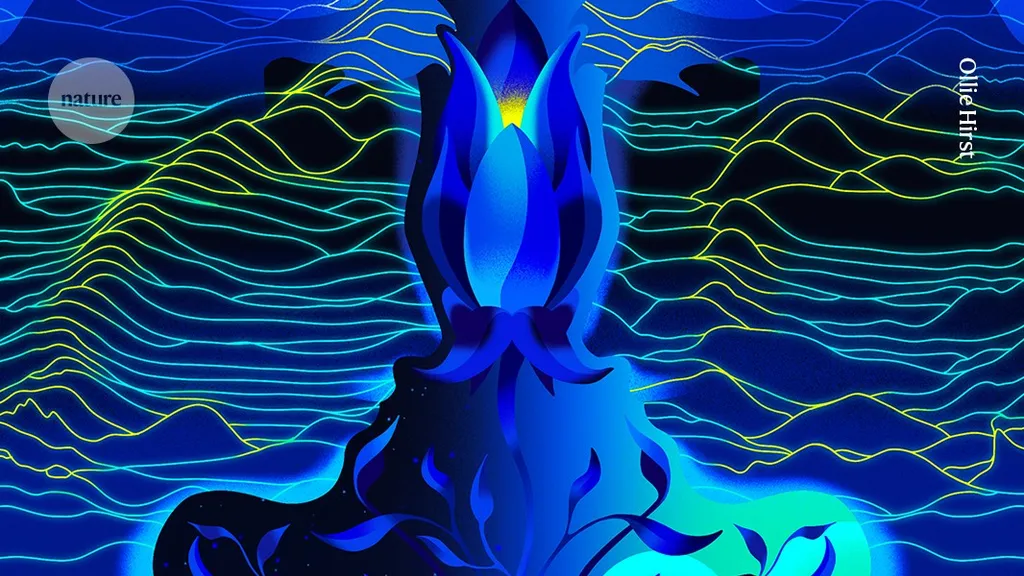
Recent research has revealed that neurons in the brain do not respond consistently to the same stimuli over time, challenging long-held beliefs in neuroscience. This phenomenon, termed representational drift, suggests that individual neurons may not have fixed roles, as their responses can change significantly. Understanding this drift could have important implications for memory formation and the development of brain-computer interfaces.
- ▪Neuroscientists have found that neurons fire more erratically than previously thought.
- ▪Research indicates that neuronal responses can shift over time, even for the same stimuli.
- ▪The phenomenon of representational drift raises questions about how the brain maintains stable behaviors despite these changes.
2 outlets in our directory ran this story, first to last over 1 hour. All of the coverage we found sits in one bucket: centre. That one-sidedness is itself worth noticing.
Hacker News (Newest) files mainly under programming. We currently carry 5,306 of its stories.
Story provenance
Source · retrieval · rights · ranking — open for full record
inspect →
Story provenance
Attribution is not the same as permission. This drawer separates discovery metadata, excerpts, WeSearch-generated summaries, reuse status, and whether the publisher receives the visit. Nothing here claims a legal grant the publisher has not made.
Record
| Original publisher | Nature |
| Canonical URL | https://www.nature.com/articles/d41586-026-01554-0 |
| Publication time | Thu, 21 May 2026 13:43:35 +0000 |
| Retrieval time | 2026-05-21T13:51:11.077Z |
| Last seen | 2026-05-21T13:51:11.077Z |
| Headline source | Publisher (no WeSearch rewrite) |
| Excerpt source | publisher body |
| Excerpt method | First ~120 words (~800 chars) of extracted publisher body, fair-use limited. |
| Summary | WeSearch · cerebras-chat (WeSearch summarizer) |
| Summary source text | contentText |
| Citation coverage | Summary is a WeSearch-generated derivative; primary citation is the original publisher URL. |
| Cluster | 7-k_JJ-UghmO · 2 stories |
| Cluster logic | Grouped by semantic title/content similarity across sources within a rolling window. Same-publisher template collisions are excluded from coverage comparison. |
| Ranking reason | Story pages are not engagement-ranked. Hub feeds use recency, with optional source-diversified chronological ordering (cap consecutive stories per source). No personalized ranking. |
| Publisher visit | Yes — open original |
| Substitutes article? | No — link-out required for full text |
Rights status (four layers)
WeSearch handling by dimension
| Indexing | May the item be indexed (stored, ranked, made findable)? | Allowed |
| Snippet | May a short excerpt of the publisher's text be shown? | Allowed |
| AI summary | May WeSearch generate its own short summary of the article? | Limited |
| Retrieval / RAG | May the content be exposed for third-party retrieval-augmented generation? | Not asserted |
| Model training | May the content be used to train AI models? | Not asserted |
| Commercial reuse | May the content be reused commercially? | Not permitted |
Basis: Derived from the published RSS/Atom feed. Contact: [email protected]. Reviewed: 2026-07-24.
Opening excerpt (first ~120 words) tap to expand
NEWS FEATURE 20 May 2026 The brain’s code seems to be in constant flux. Neuroscientists are baffled Neurons fire much more erratically than researchers thought. What does that mean for how the brain works? By Diana Kwon0 Diana Kwon Diana Kwon is a freelance science journalist based in Berlin. View author publications Search author on: PubMed Google Scholar Email Bluesky Facebook LinkedIn Reddit Whatsapp X Illustration: Ollie Hirst It is a dogma in neuroscience that certain brain cells respond in the same way to the same thing. Specific neurons always fire, for example, when we see particular shapes and colours; other neurons activate to swing an arm or wiggle a nose.
…
Excerpt limited to ~120 words for fair-use compliance. The full article is at Nature.
Discussion
0 commentsMore from Nature
![Book of Cron Job [fiction]](/img-proxy?url=https%3A%2F%2Fmedia.nature.com%2Flw1200%2Fmagazine-assets%2Fd41586-026-01716-0%2Fd41586-026-01716-0_52500258.jpg&w=320)